
Understanding Particulate Emissions from Wood Stoves and Pellet Burners
Quick Answer: Wood-burning stoves and pellet burners produce heat by burning fuel made from wood. Like all combustion processes, burning wood and wood pellets produces emissions, including gases and very small particles which are released into the atmosphere.
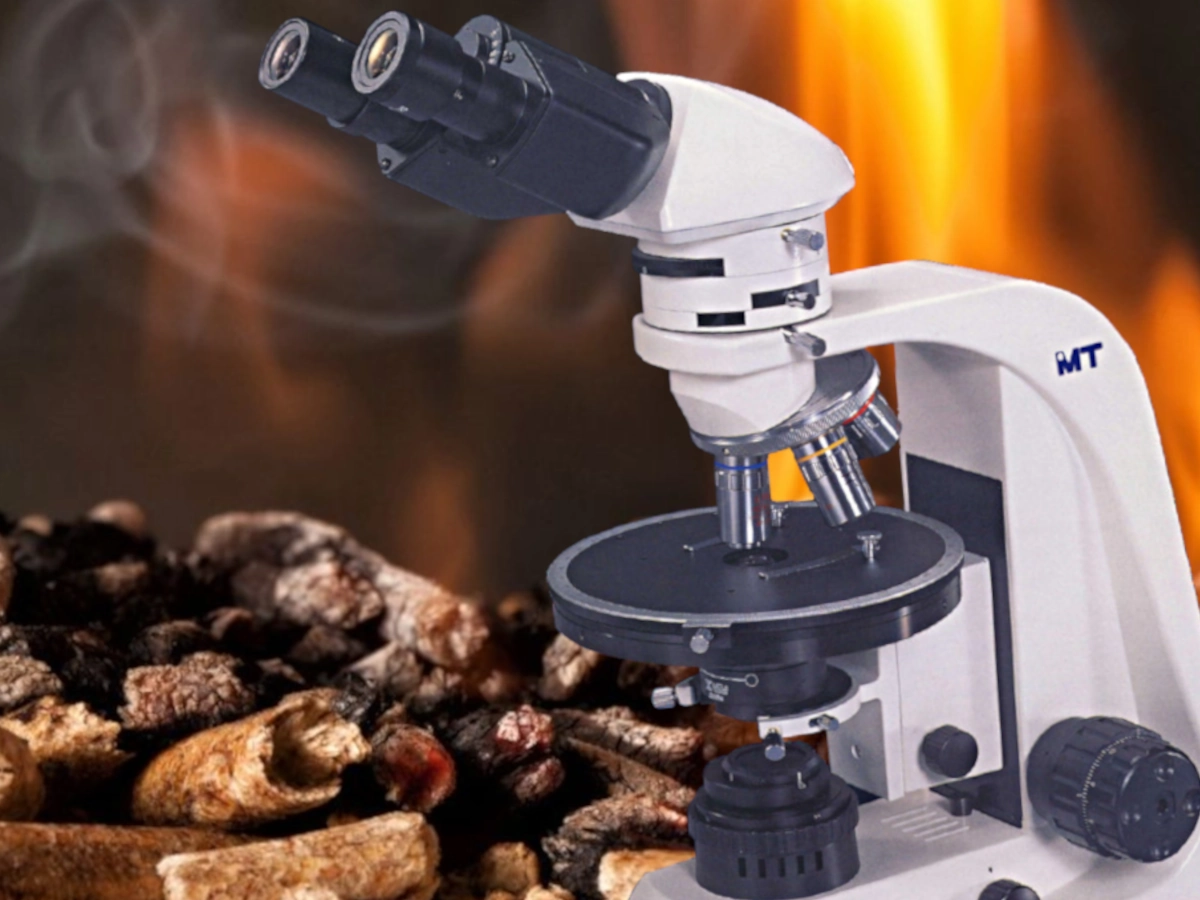
What are particulate emissions?
The tiny particles released during combustion are known as particulate matter (PM). When these particles leave an appliance through the flue, they are referred to as particulate emissions. They are an important consideration when assessing the environmental impact of a heating appliance.
Particulate emissions should not be confused with the dust produced when handling pellets or cleaning an appliance. We explain the practical differences, along with precautions for handling ash, in our article Pellet Burners: Ash Dust and Particulate Emissions Explained.
Are appliance emissions and air quality not the same thing?
Another common source of confusion is the difference between emissions from an appliance and the quality of air in the surrounding neighbourhood.
Ecodesign regulates the emissions produced by the appliance under prescribed test conditions. Air quality standards, on the other hand, measure the concentration of pollutants in the atmosphere.
This finer ash can become airborne when cleaning the burner, emptying an ash vacuum cleaner or cleaning its filter. Anyone who has experienced a cloud of airborne ash will know how irritating it can be, often causing coughing and discomfort.
A stove that complies with Ecodesign rules can therefore still contribute to local particulate pollution. Compliance means that the appliance meets defined product testing requirements; it does not mean that it produces no pollution.
Similarly, an air quality measurement cannot tell us whether an individual stove complies with Ecodesign. The two standards address different aspects of the same environmental issue.
Are modern stoves designed to reduce emissions?
Modern wood stoves and pellet burners are designed to burn fuel more efficiently and produce fewer emissions than older appliances. However, the terminology used to describe particulate emissions can be confusing, particularly when comparing appliance standards with general air quality measurements.
What is particulate matter?
Particulate matter is a general term for very small solid particles and liquid droplets suspended in the air. These particles can be produced by many activities, including road traffic, industrial processes, construction and the burning of fuels.
When wood or wood pellets burn, some of the fuel is converted into gases and heat, while a small proportion can form particles that leave the appliance through the flue.
What is the difference between PM10 and PM2.5?
Particulate matter is usually classified according to particle size:
- PM10: Particles with an aerodynamic diameter of 10 micrometres or less.
- PM2.5: Fine particles with an aerodynamic diameter of 2.5 micrometres or less.
- PM: A general term for particulate matter, without necessarily specifying a particular particle size.
To put this into perspective, a micrometre is one millionth of a metre. PM2.5 particles are extremely small and can penetrate deep into the respiratory system. For this reason, fine particulate matter is of particular concern to public health authorities.
It is important to understand that PM2.5 is part of total particulate matter, not a separate type of emission.
How are particulate emissions measured?
There are several ways of measuring particulate emissions, and this is where some of the confusion begins.
Concentration measurements
These express the amount of particulate matter contained in a given volume of flue gas. The European Ecodesign requirements use milligrams per cubic metre (mg/m³), with measurements corrected to a specified oxygen concentration.
Fuel-based measurements
These express the amount of particulate matter produced for each kilogram of fuel burned. The alternative Ecodesign measurement method uses grams per kilogram (g/kg) of dry fuel.
Both Ecodesign approaches provide a way of assessing emissions under controlled testing conditions. However, they are different measurements and their numerical values cannot be directly compared.
Air quality measurements
Air quality measurements are quite different. They deal with the concentration of particulate matter in the surrounding air, which is normally expressed in micrograms per cubic metre (µg/m³).
What are the European Ecodesign requirements?
European Ecodesign regulations establish minimum efficiency requirements and maximum permitted emissions for new heating appliances placed on the market.
For open stoves, closed-fronted wood-burning stoves and pellet burners, the particulate matter limits are different.
Under EU Regulation 2015/1185, which has applied to these appliances since 1 January 2022, the limits are:
| Appliance | PM Limit |
|---|---|
| Open-fronted solid-fuel appliance | 50 mg/m³ |
| Closed-fronted wood appliance | 40 mg/m³ |
| Closed-fronted pellet appliance | 20 mg/m³ |
These figures are measured at 13% oxygen in the flue gas and refer to the concentration-based measurement method.
The Ecodesign requirements also cover other emissions, including carbon monoxide (CO), organic gaseous compounds (OGC) and nitrogen oxides (NOx), as well as minimum seasonal space heating efficiency.
Why is the the permitted limit lower for a pellet burner?
The pellet burner limit is half the permitted particulate matter concentration of a closed-fronted wood-burning stove.
This difference reflects the characteristics of the appliances and their combustion processes. Pellet burners use a processed fuel with relatively consistent properties and generally have a more controlled fuel supply and combustion process.
It is important to remember that these figures are maximum permitted test values. They do not mean that every pellet burner produces half the particulate emissions of every wood stove in everyday use.
Does Ecodesign specify a PM2.5 limit?
No. The European Ecodesign requirements specify limits for total particulate matter , rather than setting a separate limit for PM2.5.
This is an important distinction. Although PM2.5 forms part of total particulate matter, the Ecodesign test does not set a separate emissions limit for particulate matter which falls into the PM2.5 category.
Consequently, an appliance that complies with Ecodesign has demonstrated that it meets the specified TOTAL particulate matter limit.
What should I take away from all this?
Wood-burning appliances have changed considerably over the years. Older open fireplaces and traditional stoves can produce substantially higher particulate emissions than modern, well-designed appliances.
Research published by the International Energy Agency shows that modern log stoves and pellet burners can have considerably lower emission factors than open fireplaces and simple log stoves.
It is therefore important to consider the type and age of an appliance when discussing the contribution of domestic wood burning to air pollution.
Wood stoves and pellet burners both produce particulate emissions as part of the combustion process. However, modern appliances are designed to reduce these emissions, and European Ecodesign regulations establish maximum permitted levels.
Domestic wood burning is only one of several sources of particulate pollution. Traffic, industry, agriculture and other forms of heating also contribute to the overall air quality in a particular area. Understanding the difference between appliance emissions and ambient air quality helps put the environmental impact of wood and pellet heating into perspective.
Can particulate emissions be reduced?
Yes. The appliance itself is only one part of the equation. Fuel quality, installation, operation and maintenance all influence combustion performance and emissions.
Although good operating practices cannot guarantee zero emissions, they can help an appliance burn fuel more effectively and reduce avoidable pollution.
The limits also differ between appliance types. A closed-fronted wood-burning stove has a maximum permitted particulate matter concentration of 40 mg/m³, while a pellet burner has a stricter limit of 20 mg/m³.
Understanding these differences makes it easier to interpret emissions information and distinguish between appliance performance, environmental standards and the wider health considerations associated with air pollution.
What to do next
Would you like more information about emissions or servicing your pellet burner, or would you like to book a service? Contact us today. You can also pop into our showroom in Ciudad Quesada for a chat.