
Why does my Pellet Burner Glass get dirty?
Quick Answer: Dirty glass is caused by incomplete combustion usually caused by poor-quality/damp fuel, insufficient airflow, poor maintenance or a combination of all three.
Keeping your stove glass clean isn’t just about looks, more importantly it also tells you a lot about how your stove is burning.
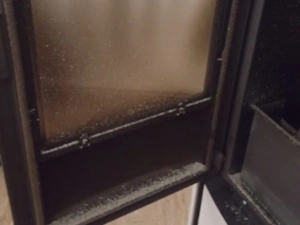
So why does your pellet burner glass get dirty, and why does it matter?
Keeping your stove glass clean isn’t just about looks, more importantly it also tells you a lot about how your stove is burning.
A blackened stove window is usually a sign that:
- The fire isn’t burning hot enough
- The fuel is damp or low-quality
- Airflow is restricted
"...but my stove has an airwash system which is supposed to keep the glass clean...", I hear you say, and that is true.
Most modern stoves incorporate an air-wash system into their door panel design. Combustion air is channeled downwards through slots along the top inside edge of the glass. The air is directed between the glass and the fire to prevent soot from sticking to the glass.
Good air-wash systems are remarkably effective at keeping the glass clear, but they work best with a little help from you. When combined with good quality pellets and proper operating techniques, they can keep the glass door fairly clear for a few days of continuous use. However, over time a white, brown or grey hazy deposit may form on the glass and this is quite normal.
Why does pellet burner glass get dirty?
Lighter brown stains are common, often starting at the corners of the glass but can appear anywhere on the surface. Dark stains, however, are more challenging to remove and may be an indication that the airflow is insufficient, the fuel is damp, or the stove is being turned down too much.
How can I prevent stove glass getting dirty?
Here are some simple tips to keep your view clear and your stove running efficiently.
Slow-burning fires and damp fuel are the most common causes of dirty stove glass. Try burning your stove very hot for a couple of hours, the flames will often burn off the deposit and clean up the glass naturally. It will also make darker, more difficult stains easier to clean.
Can I clean stove glass naturally?
Even with the optimum burn conditions, the glass will eventually need a clean. Here’s a simple, natural method:
- Wait until the stove is completely cool
- Dampen a cloth or piece of kitchen roll and dip it into cold pellet ash
- Gently wipe the glass with the ash (it acts as a mild abrasive and lifts deposits easily)
- Finish with a clean, damp cloth to remove any residue
- For tougher spots, you can use a stove glass cleaner
Avoid using household abrasive cleaners or sharp tools like razor blades on the glass, as they can cause damage.
Are commercial stove glass cleaners any good?
There are numerous Commercial Stove Glass Cleaners available and they are quite effective at removing smoke deposits and general dirt which builds up on the glass. IMPORTANT: Please read the manufacturer's instructions carefully before use.
Use the correct fuel
Look for high-quality, low-ash pellets. ENplus A1 certified pellets are widely available in Spain and offer reliable performance. Cheap pellets may produce more soot and ash
Get the air flowing
Airflow is key for a clean, efficient burn. Ensure the fan and air channels are clear and that settings are correct for your home and fuel type.
Regular maintenance keeps stove glass cleaner
Here in southern Spain, where pellet stoves are popular for their convenience and efficiency, a little daily maintenance goes a long way, especially if you’re using your stove every evening.
Regular maintenance is essential for keeping stove glass clean and functional.
Make it a habit to clean the burn pot and check for ash build-up daily. A quick 2-minute clean in the morning (once the stove is cool) helps keep things running smoothly, stops glass blackening, and improves performance
A cleaner stove = cleaner glass, better heat, and fewer issues over time.
What to do next
Do you need more information about servicing your pellet burner? Get in touch or visit the showroom, we’re always happy to help you get the most from your heating system.