
Why should I use ENplus A1 Pellets?
Quick Answer: The quality of the pellets you burn has a direct effect on the performance of your pellet burner.
Good-quality pellets can produce cleaner combustion, less ash and more consistent appliance performance.
Why does pellet quality matter?
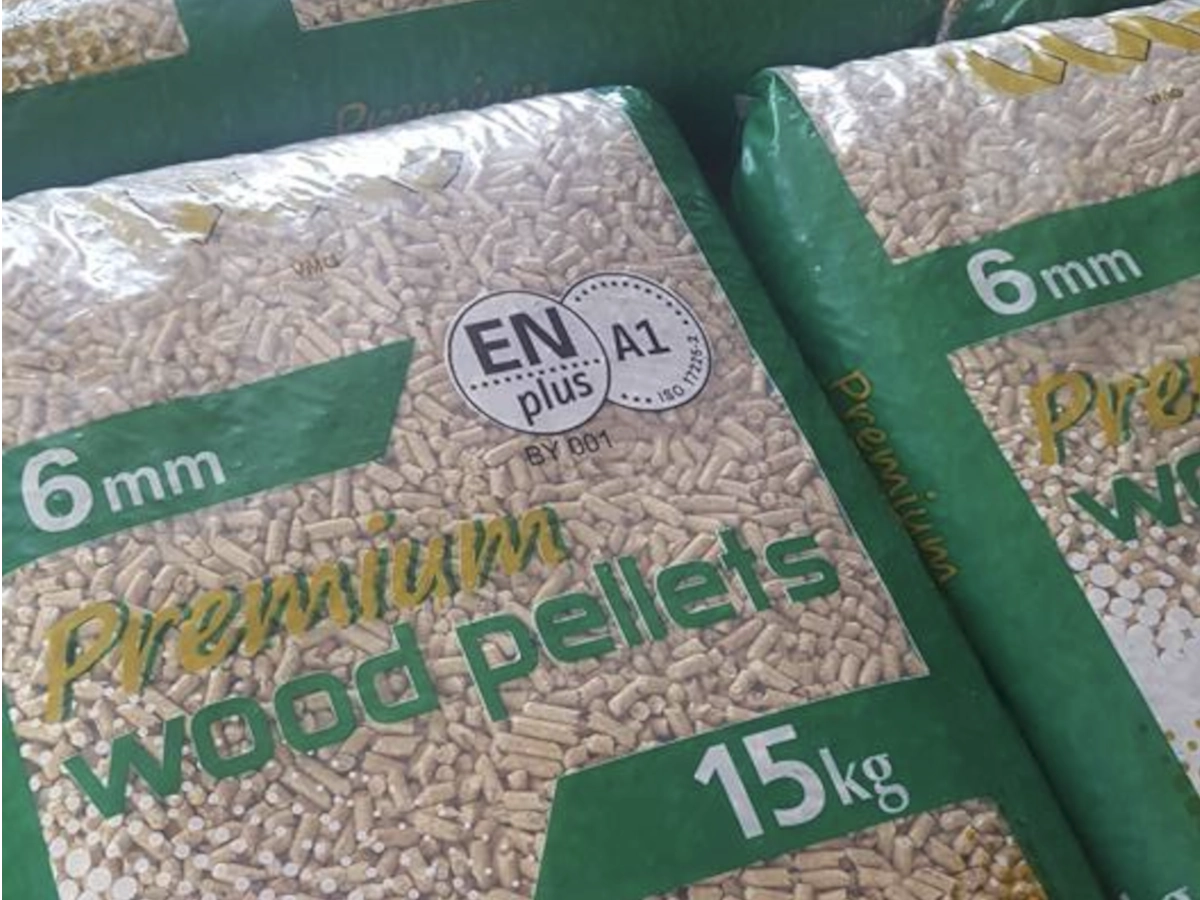
We strongly recommend using ENplus A1 pellets in your pellet burner.
Lower quality pellets will result in:
- More ash accumulation
- Dirtier glass
- Reduced performance
- More frequent cleaning
- Problems caused by fines or inconsistent pellets
What are pellet fines?
Pellet fines are the small pieces of broken pellet, sawdust and loose dust that collect around whole wood pellets.
They are created when pellets are made, but more commonly you'll notice fines after pellets have been transported, handled or stored. The pellets rub against each other and against the equipment used to move them, causing some of them to break down.
A small amount of fines is normal, but excessive amounts can cause problems.
Why can pellet fines cause problems?
If there are too many fines in the fuel, they can collect in the hopper or interfere with the pellet feed system.
This can result in:
- Irregular pellet feeding
- More dust and residue inside the appliance
- Poor or inconsistent combustion
- Increased cleaning requirements
This is one reason why the quality and condition of the pellets you use can make a noticeable difference to how your pellet burner performs.
What do pellet fines look like?
Fines are easy to recognise. If you empty some pellets into your hand, you may see a layer of loose sawdust and small broken pieces at the bottom of the bag.
A small amount is nothing to be concerned about. If a significant amount of dust and broken pellet is present, however, it may be worth trying a different batch or brand of pellets.
Do ENplus A1 pellets contain fines?
Yes. Even good-quality pellets will contain some fines.
ENplus A1 places a strict limit on the amount of fines permitted in certified pellets, helping to ensure that the fuel remains suitable for use in domestic pellet heating appliances.
This is one of the reasons we recommend using good-quality, certified ENplus A1 pellets.
What are ENplus pellets?
ENplus is a quality certification scheme for wood pellets used in biomass heating.
The certification covers the pellet through the supply chain, from production through to delivery to the end user.
What is ENplus A1?
ENplus has three main quality classes:
- ENplus A1: The highest quality class, intended for household heating appliances.
- ENplus A2: A standard quality class which can also be used for domestic applications, with higher permitted ash content than A1.
- ENplus B: Primarily intended for industrial applications.
Why do we recommend ENplus A1 pellets?
ENplus A1 places strict limits on important pellet characteristics such as moisture and ash content.
For the homeowner, the aim is simple: use a consistent, good-quality fuel that helps the appliance operate cleanly and reliably.
Do all ENplus A1 pellets perform the same?
Not necessarily. Even when pellets meet the same certification standard, the characteristics of the pellets must fall within specified minimum and maximum ranges. Different batches of pellets will vary and perform differently in the same installation.
Factors can include:
- Wood composition
- Density
- Moisture content
The characteristics of the individual installation, in particular the pellet burner model and flue design, may also have an impact on performance.
Can different pellet brands make a difference?
Yes. It is perfectly normal to find that one good-quality pellet brand performs better in your particular appliance than another.
During your first season, you may find it useful to try different brands and compare them.
Things you may consider:
- Flame appearance
- Cleanliness of combustion
- Amount of ash produced
- Overall consistency of operation
Can I use damp pellets?
No. Pellets should always be kept dry. Unlike logs, wood pellets absorb moisture quite readily. Damp pellets can swell, break apart and create problems within the pellet feed system.
How should I store wood pellets?
Pellets should be stored in a dry location and protected from moisture. Keeping pellets dry is particularly important once a bag has been opened or if pellets are stored for an extended period.
How long can pellets be stored?
My real life experience using my own pellet burner: I store my pellets indoors, in a completely dry storage area. At the end of the season, towards the end of March, I usually end up with three to four bags of unused pellets. At the beginning of next season, maybe towards the end of October, I will use these pellets first. I have never experienced any problems starting up, or noticed any appreciable difference in performance.
What should I look for when buying pellets?
- Always use a reputable supplier
- Dry, intact pellets
- ENplus A1 certification mark
Our recommendation is simple: use ENplus A1 pellets.
They provide a consistent quality standard and are the best starting point for reliable, clean operation of a domestic pellet burner.
Once you've found an ENplus A1 brand that performs well in your particular stove, stick with it.
What to do next
Do you need more information about using or servicing your pellet burner? Contact us today. You can also pop into our showroom in Ciudad Quesada for a chat and see the stoves in action.