
Do Pellet Burners Depend Totally on Electricity?
Quick Answer: One criticism sometimes made of pellet burners is that they depend totally on electricity to operate. Unlike a traditional wood burning stove, which produces heat without a power supply, a pellet burner needs electricity to run its motors, fans and electronic controls.
This is true, but is it really the disadvantage it is sometimes made out to be?
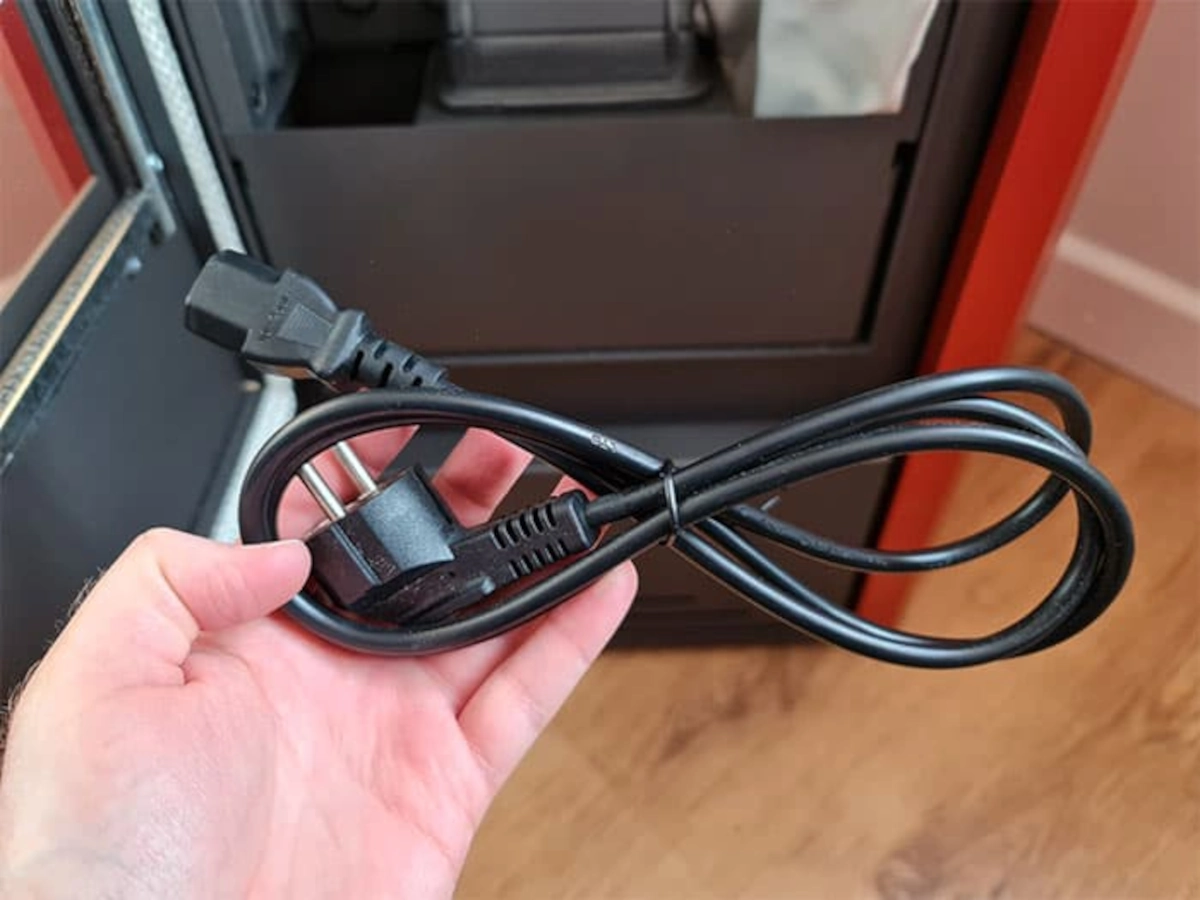
Why does a pellet burner need electric?
A pellet burner is an automated heating appliance. Several electrical components work together to control the combustion process and distribute heat around the room.
- Auger motor: feeds pellets from the hopper into the combustion chamber.
- Combustion extractor fan: draws air through the burner and removes combustion gases through the flue.
- Convection fan: circulates warm air into the room.
- Electronic control system: manages ignition, pellet feed, fan speeds, temperature and safety functions.
Electricity is also required during the ignition sequence, when the burner uses an electric heating element to light the pellets. Without a power supply, these components cannot operate and the burner will stop working.
What happens during a power cut?
If the electric supply fails, a pellet burner cannot continue its normal operation. The fuel feed and fans stop, and the appliance will shut down.
Once the electricity supply returns, the burner can normally be restarted, although the exact procedure depends on the model and its control system.
A traditional wood stove has an advantage here. It does not need electricity to burn wood and continues providing heat during a power cut.
This is a genuine difference between the two types of appliance, and one worth considering when choosing a heating system. However, it is also worth putting the possible risk of a power cut into perspective.
How often do power cuts actually happen?
Spain experienced a major electricity blackout in April 2025, reminding us that even modern electricity networks are not immune to disruption.
There will always be occasional interruptions. A JCB can damage an underground cable, a severe storm can bring down overhead power lines, and electricity companies sometimes need to interrupt supplies to carry out essential maintenance.
No electricity network can guarantee an uninterrupted supply.
But for most households, the more relevant question is how frequently these interruptions occur and how long they normally last. In most areas, routine interruptions are relatively infrequent and short-lived.
The possibility of a power cut is something to consider, but it does not necessarily make a pellet burner an impractical choice.
How much electricity does a pellet stove use?
The electrical consumption of a pellet burner varies according to its design and operating conditions.
As a general example, a burner drawing between 50 and 150 watts during normal operation would consume between 0.4 and 1.2 kWh over eight hours.
At an electricity price of €0.20 per kWh, that works out at approximately:
| Electricity Used | Cost for 8 hours |
|---|---|
| 50 watts | €0.08 |
| 100 watts | €0.16 |
| 150 watts | €0.24 |
These figures are illustrative. Actual consumption will depend on the appliance, its operating setting and the amount of time spent in ignition, normal operation and shutdown.
Even allowing for additional electric used during start-up and shutdown, the daily running cost is relatively small. Compared with the cost of the pellets themselves, electricity is not a significant part of the overall heating bill.
Is electrical dependence unique to pellet burners?
Not really. We have become accustomed to relying on electricity for an enormous range of everyday activities.
Think about your kitchen alone: ovens, microwaves, refrigerators, freezers, kettles and dishwashers all depend on an electricity supply. Add computers, televisions, lighting, internet routers, phone chargers and any modern heating system, and it becomes clear just how much of everyday life depends on electricity.
A power cut affects far more than a pellet burner.
Of course, a traditional wood stove has the advantage of being able to operate independently of the electric supply. But that does not mean electrical dependence is an unusual or unreasonable feature of a modern heating appliance.
Should I be concerned about power outages?
If you live in an area where power cuts are frequent or prolonged, this is certainly something to take into account when choosing your heating system.
If maintaining heat during an extended electricity outage is essential, a traditional wood stove has a clear advantage. It can continue to operate without an electrical supply.
For most households, however, occasional short interruptions are unlikely to be a decisive factor. A pellet burner offers automatic ignition, controlled fuel delivery, programmable operation and convenient temperature management. These and many other benefits are made possible by the very electrical components that create the dependence.
It ultimately comes down to choosing the appliance that best suits your circumstances and priorities.
Electrical dependence is a genuine characteristic of pellet burners, but it needs to be considered relative to the amount of inconvenience it is likely to cause.
What to do next
Do you need more information about pellet burners and their use of electric? Contact us today or visit to our showroom in Ciudad Quesada for a chat and see real life stoves in action.