
Why Should I Choose a Pellet Burner?
Quick Answer: A pellet stove provides the warmth of wood heating without the need to continually handle logs. For many households, this means convenient, consistent heating with less mess and less day-to-day attention than a traditional wood burner.
Pellets are automatically fed into the burner, combustion is controlled electronically and the heat output can be easily adjusted to suit the room.
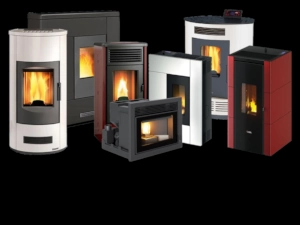
Are pellet stoves cleaner than wood burners?
Pellet stoves are generally cleaner and easier to live with than traditional wood burners. Pellets are a consistent, dry fuel and there are no logs, bark or wood debris to handle.
The stove controls the supply of both fuel and air, producing a controlled burn. The appliance is also sealed during normal operation, so there is no need to open a firebox and add fuel several times a day.
There will still be some ash to remove and the stove needs regular cleaning, but there is considerably less mess around the appliance than with a log-burning stove.
Are pellet stoves more efficient than wood burners?
Pellet stoves are designed to burn their fuel efficiently, with the supply of pellets and combustion air automatically controlled.
The stove can adjust its output according to the heat required, rather than relying on the user to control the fire by adding more or less wood and adjusting air controls manually.
This controlled combustion means a high proportion of the energy in the pellets can be converted into useful heat for the room.
Are pellet stoves easier to use?
For many people, this is one of the biggest advantages of pellet heating. Instead of carrying logs to the stove and adding them by hand, pellets are stored in a hopper and automatically fed into the burner. Pellet stoves also have automatic ignition and allow the heat output and desired room temperature to be set.
Once the stove has been started and adjusted, it can provide heat with very little attention.
That doesn't mean pellet stoves are maintenance-free. The burn pot and ash areas still need regular cleaning, and the appliance should be properly serviced when required.
Do pellet stoves produce much ash?
Pellet stoves produce ash, but normally much less than you would expect from burning logs.
The amount depends on how much the stove is used and the quality of the pellets. Good-quality pellets tend to produce less ash and leave fewer residues in the burner.
The ash that is produced needs to be removed regularly as part of normal stove cleaning. For more information, see our article Do I have to Clean inside my Pellet Burner every day? .
Do pellet stoves produce smoke?
A correctly operating pellet stove should produce very little visible smoke during normal operation.
The controlled supply of fuel and combustion air allows the pellets to burn efficiently, while the sealed appliance prevents smoke from entering the room during normal use.
Some smoke or vapour can be visible during lighting or shutdown, particularly under certain conditions. Persistent smoke, or smoke entering the room, is not normal and should be investigated.
Are pellet stoves better for the environment?
Pellets are made from compressed wood and are produced from timber from responsibly managed forests or wood-processing residues.
Wood is a renewable fuel, but producing and transporting pellets still uses energy, so pellet heating should not simply be described as having no environmental impact.
The advantage of a pellet stove is its controlled and efficient combustion producing fewer emissions. Using good-quality pellets in an efficient appliance can provide a practical way of heating a home with a renewable wood-based fuel.
Are pellet stoves expensive to run?
The cost of running a pellet stove depends on several factors, including the price of pellets, the size and efficiency of the stove, how much heat your home requires and how long the stove is operated.
Pellet consumption also changes with the heat setting. A stove working hard to heat a cold room will use considerably more fuel than one maintaining an already comfortable temperature.
Good-quality pellets are also important. Our recommendation is to use ENplus A1 pellets and, once you find a brand that performs well in your appliance, stick with it.
How noisy are pellet burners?
Pellet burners aren't completely silent because they contain mechanical and electrical components. Some noise is inevitable but they are not considered to be noisy as such.
You may hear noise from the pellet feed mechanism operating, together with the fans used to circulate air through the stove. The noise level can vary between models and will also change depending on the stove's operating setting.
For most people some noise is simply part of having an automatic heating appliance, but if very quiet operation is important to you, it's worth listening to a stove running before choosing one.
How long does a pellet burner burn?
There isn't a single answer because it depends on the size of the hopper and the rate at which the stove is using pellets.
At a low heat setting, a hopper can keep a stove running for considerably longer than when the appliance is operating at full power.
The important difference compared with a wood burner is that you don't need to keep adding fuel by hand. Once the hopper has been filled, the stove automatically feeds pellets into the burner until the hopper runs empty or you turn the appliance off.
Does pellet heating produce soot?
A properly operating pellet stove should produce very little soot. Dark deposits can still occur inside the appliance, particularly if the stove is not cleaned regularly or is not burning correctly.
Fuel quality, combustion settings and restricted airflow can also affect the amount of residue produced.
A small amount of residue is normal, but heavy soot or unusual deposits are a reason to check that the stove is operating correctly.
So, why choose a pellet stove?
A pellet stove won't quite reproduce the character of a traditional log fire. The heat feels different, with more of the heat from a pellet stove being distributed by convection rather than the strong radiant heat you get from a hot wood-burning stove.
What it does offer is efficient, controllable heating with considerably less day-to-day effort. Automatic fuel feeding, controlled combustion and adjustable heat output make pellet heating easy to live with, while still providing plenty of useful heat for the home.
If you love the character and radiant heat of a log fire, a wood burner may still be the right choice. If you want the heat of wood fuel with the efficiency, control and convenience of an automatic appliance, a pellet stove has a lot to offer.
What to do next
Ready to find out more about the perfect pellet burner for your home? Contact us today to arrange a free, NO OBLIGATION site visit anywhere in Alicante and Murcia. You can also pop into our showroom in Ciudad Quesada for a chat and see the stoves in action.