
Are Solar Hot Water Systems a Smart Choice in Southern Spain?
Quick Answer: Yes! In Alicante and Murcia, solar thermal hot water is particularly well suited to the local climate. The area receives abundant solar energy throughout the year, allowing a properly sized system to provide most of a household's annual hot water requirement.
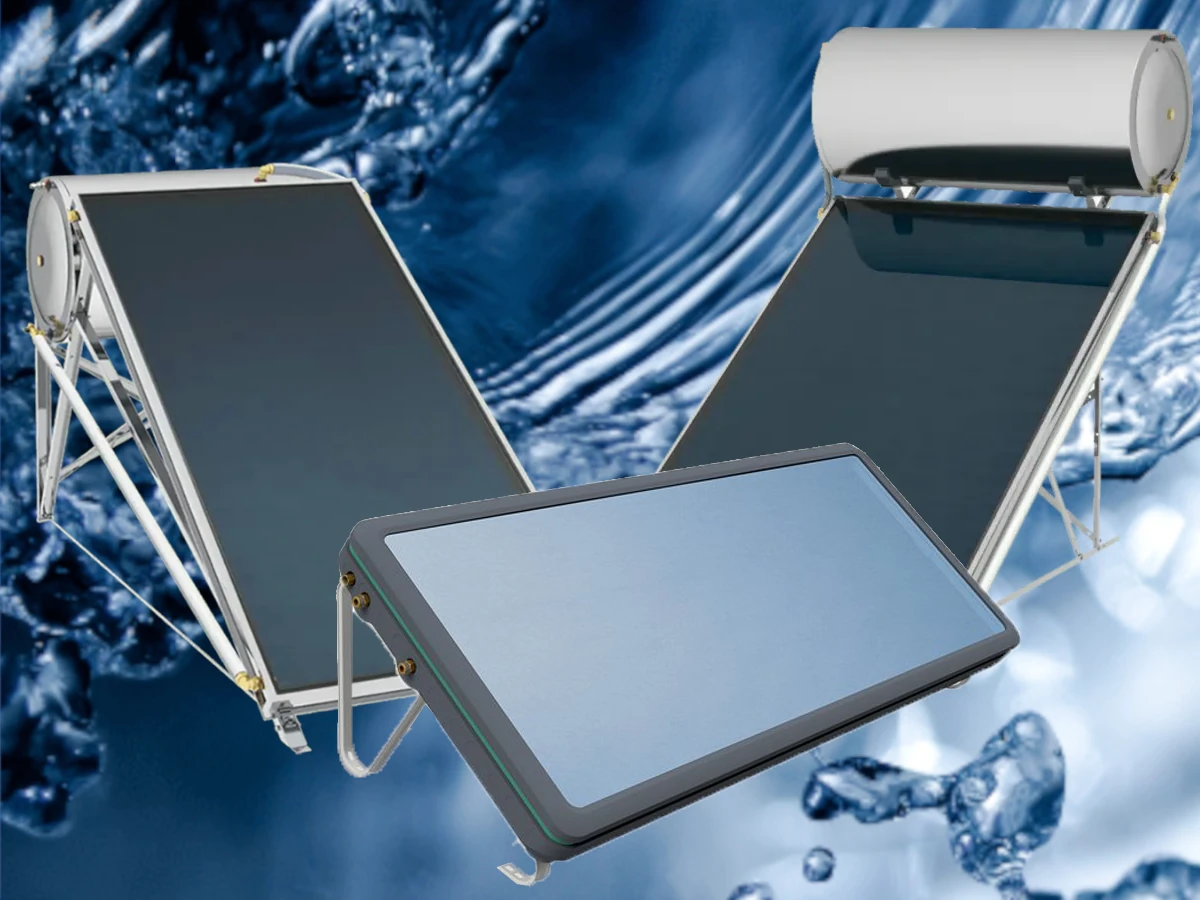
Harnessing the Sun for Lower Energy Bills
Unlike an electric water heater, which uses electricity every time it heats your water, a solar thermal system uses the sun as its primary source of heat.
During sunny periods, the collector heats the water stored in the tank without using electricity. When there isn't enough sunshine to bring the water up to the required temperature, a conventional built-in electric heater provides the backup.
This makes solar thermal particularly attractive in Alicante and Murcia, where sunny conditions are common throughout most of the year.
Solar Thermal vs. Solar PV: What's the Difference?
It's easy to confuse solar photovoltaic (PV) panels with solar thermal systems because both use the sun, but they do quite different jobs:
- Solar PV Panels: Convert sunlight into electricity to run household appliances, lighting, and air conditioning etc.
- Solar Thermal Panels: Collect the sun's heat and use it directly to heat your domestic hot water.
If your main objective is to reduce the electricity used to produce hot water, solar thermal is a very direct solution: the energy goes from the sun to the collector and then into your hot water, without first being converted into electricity.
Why Choose a Thermosiphon System?
A thermosiphon system is particularly well suited to domestic properties because it is simple.
The hot water naturally rises as it is heated, causing circulation between the collectors and the storage tank. There is no circulation pump and no complicated control system needed to move the water around the system. (For more information on Thermosiphons, take a look at our article - How Does a Solar Thermosiphon Work?.)
That simplicity has some useful advantages:
- No circulation pump to consume electricity or eventually fail.
- Simple operation with very little for the homeowner to adjust.
- Low running costs, because the primary energy comes from the sun.
- Hot water storage means the heat collected during the day can be used later.
- Electric backup provides hot water during extended periods of poor weather.
What About Winter?
Solar thermal doesn't stop working in winter. The important factor is sunlight rather than air temperature.
According to Spain's State Meteorological Agency (AEMET), even in December, Alicante receives over 5 hours of sunshine each day so the collector still produces enough heat.
However, periods of cloudy weather mean that there will be times when the solar energy collected isn't enough to provide all your hot water needs. This is why a good system has a conventional backup heater. For most of the year the sun does all of the work, then during cloudy periods, the backup provides the extra heat required.
Our own experience
We don't have to rely on theoretical calculations to understand how well a thermosiphon system can work. Our own experience gives us a pretty good idea of how well they can work in this part of Spain.
We have had a 150-litre thermosiphon solar hot water system at home since 2011. For two people it supplies more than enough hot water for almost the entire year. Even when we have had up to four visitors staying with us, the system has coped without a problem.
The system has an electric backup element for those periods when there simply isn't enough sunshine. In practice, we only need to use it very occasionally, and as soon as the sun returns, the electric heater is switched off.
That's the attraction of solar thermal: the sun does the work whenever it can, while the conventional heater is there when you need a little help.
Is Solar Thermal Still Worthwhile?
For a property in Alicante or Murcia with a suitable roof, we believe it can be an excellent way of reducing the energy required to produce domestic hot water.
The more hot water a household uses, the more potential there is to save on water-heating costs. A system supplying hot water for a family of four has considerably more potential to save money than one supplying a single occupant. The important thing is to size the system sensibly for the property rather than assume that everyone uses the same amount of hot water.
The exact savings and potential payback period depend on several things, including the size and orientation of the system, the number of people using the hot water, your existing method of water heating and the cost of the installation.
In a nutshell, a solar thermal system operates silently in the background. It won't eliminate the need for conventional water heating altogether. What it can do is make the sun your primary source of hot water for almost all of the year. And in Alicante and Murcia, that's a pretty good relationship to have with the sun.
What to do next
Ready to find out more about solar hot water for your home? Contact us today to arrange a free, NO OBLIGATION site visit anywhere in Alicante and Murcia.