
What happens to a Solar Hot Water system during very Hot Weather?
Quick Answer:As long as the sun is shining, a solar hot water system will continue to heat your water, potentially reaching temperatures of between 80°C and 95°C.
Solar hot water systems are designed to deal with periods when there is more solar energy available than the household needs and are fitted with different types of safety devices to keep your system safe.
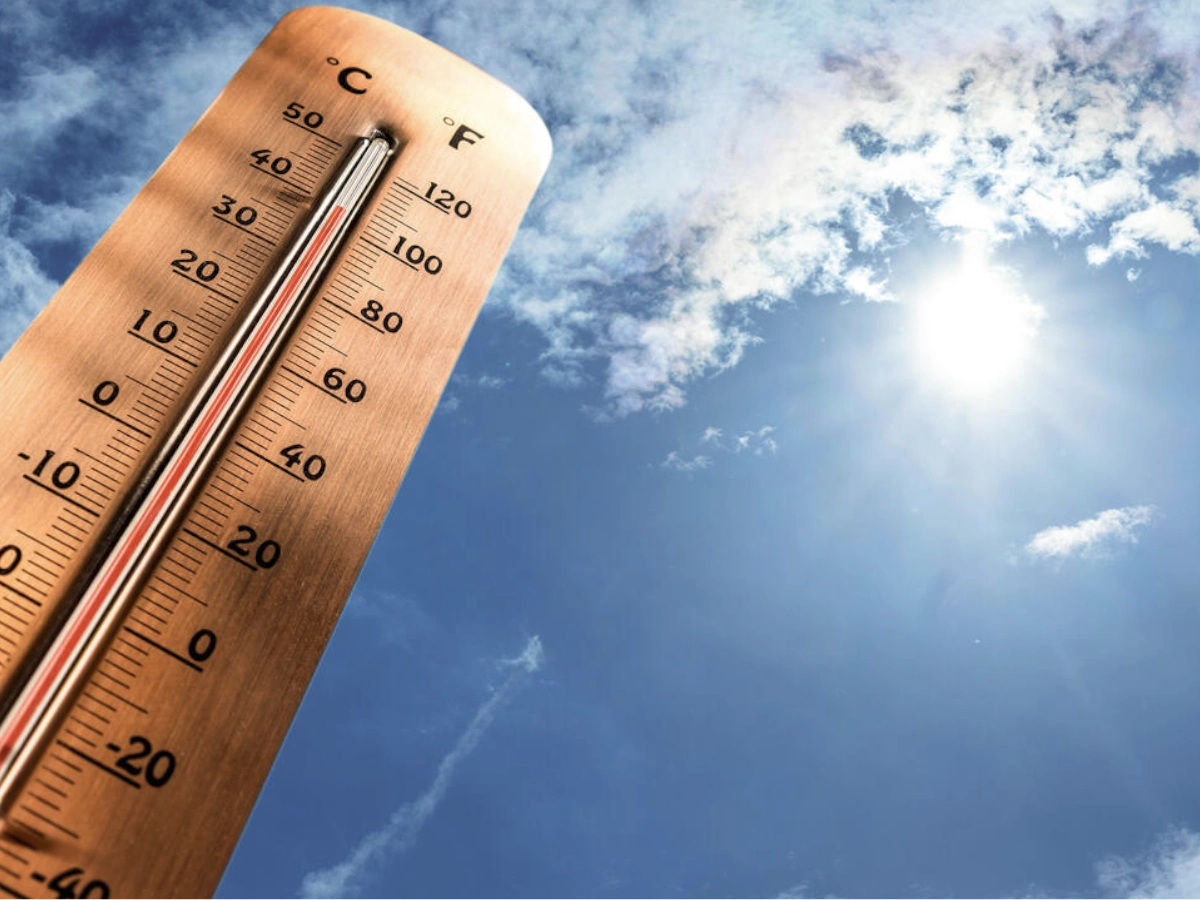
Why does solar hot water produce so much hot water?
A solar hot water system can certainly produce more hot water than you need at times. An important consideration is the orientation of the collector. A collector will absorb solar energy from morning through to sunset, but its efficiency is greatly affected by the angle of the sun and by shade from surrounding buildings and trees.
On a sunny day, the solar collector continues to receive energy even if nobody is using hot water. The storage tank provides somewhere to store that heat for later use.
The size of both the collector and the storage tank is therefore important. A correctly designed system balances the amount of solar energy available with the household's hot water requirements.
What happens if nobody uses the hot water?
If the hot water isn't being used, there is nowhere for all that stored heat to go. This is particularly relevant during the summer, when solar energy is plentiful but hot water demand may be low.
As the water temperature rises, there is the potential for pressure to build inside the storage tank. Just like any other domestic hot water tank, a non-return valve and pressure relief valve must be fitted to the cold-water inlet. This allows water to be discharged if necessary, reducing pressure on the tank and its internal components.
A small amount of water dripping from the pressure relief valve is quite common during the summer months.
In a closed-circuit system, the heating fluid that transfers heat from the collector to the storage tank's heat exchanger is subjected to the same hot conditions. A separate pressure relief valve is fitted to this side of the system.
Can solar hot water overheat?
Solar thermal systems can reach very high temperatures when there is strong sunshine and little hot-water demand. The built-in safety valves are there to protect the system when temperatures and pressures become excessive.
However, if you can reduce the amount of solar energy entering the system in the first place, you reduce the amount of heat and pressure the system has to deal with. Managing excess heat is an important part of a solar hot water installation, so one simple solution is to cover part of the collector. This dramatically reduces the solar energy absorbed and therefore reduces the temperature of the system.
Reducing the heat also reduces the thermal and pressure stress on the tank, heat exchanger and pipework, helping to reduce the risk of problems and potentially increasing the lifespan of the system.
My real life take
This is real life experience with my own system: I cover over half of the collector from June through to the end of October, and we never run out of hot water.
Does this mean solar hot water is more difficult to use in summer?
Far from it. Summer is when solar hot water systems have the greatest amount of solar energy available. The challenge is simply that the amount of solar energy available can be much greater than the household's hot water demand.
A properly designed and managed system takes both sides of this equation into account: how much energy the collectors can receive and how much hot water the household is likely to use.
What happens to my solar hot water system if the property is empty?
This is something worth considering, but it isn't a problem when choosing a solar hot water system. A property that is occupied throughout the year has a different pattern of hot water use from a holiday home that may be empty for weeks during the summer.
The systems we install have the necessary safety features built in by design. For extended periods when the property is empty, the simple action of covering the collector can substantially reduce the energy being absorbed and prevent the system from reaching unnecessarily high temperatures.
The bottom line
Solar hot water systems are designed to make use of the sun when it is available, but there will inevitably be times when more solar energy is available than the household needs. That isn't a problem in itself. The important thing is that the system is correctly sized, designed and managed to deal with the conditions in which it will operate.
For homes in Alicante and Murcia, where strong sunshine and high summer temperatures are normal, this is something we consider when assessing a solar hot water installation. If you're considering solar hot water for your home, we can look at your available roof space, hot water requirements and the type of system that would be most suitable.
What to do next
Still unsure about Solar Hot Water, but ready to find out more about solar hot water for your home? Contact us today to arrange a free, NO OBLIGATION site visit. We can look at the available space and explain what your options are.