
What Size Solar Hot Water System Do I Need?
Quick Answer: Choosing the right size solar hot water system is important, but it doesn't need to be complicated. The aim is to provide enough hot water for your household without paying for a system larger than you need.
There are technical methods for calculating domestic hot water demand, but most homeowners have no idea how many litres of hot water their household uses each day. Fortunately, there are some practical guidelines that make choosing a suitable system much easier.
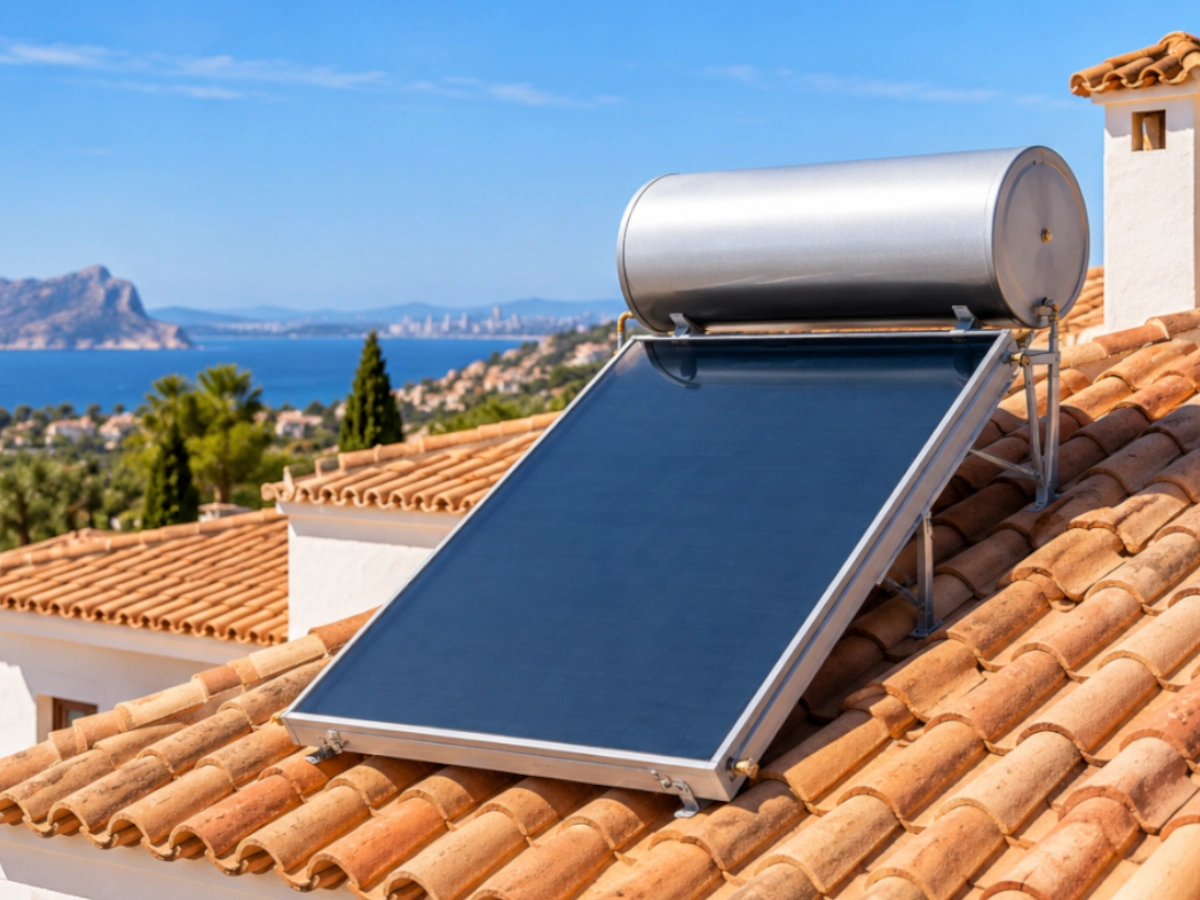
What capacity solar hot water tank do I need?
The number of people in your household is a useful starting point. We generally use the following guide when recommending a solar hot water system:
| Tank Capacity | Typical Household |
|---|---|
| 150 litres | 1-3 people |
| 200 litres | 3-5 people |
| 300 litres | 5 or more people |
These are guidelines rather than strict limits. The amount of hot water a household needs depends on how it is used, as well as the number of people living in the property. For example, a household where everyone takes a quick shower may use considerably less hot water than one where baths are taken regularly or several showers are used in succession.
The best approach is to use the number of occupants as a starting point and then consider the household's actual hot water requirements.
How do I size a solar hot water system?
There are several factors to consider when choosing a suitable system.
The number of people in the household
More occupants will generally mean greater hot water demand, but the number of people alone does not tell the whole story.
Showers or baths
Showers typically use less hot water than filling a bath, although the amount varies considerably with shower flow rate and duration. Households that regularly use baths may need to consider a larger system, or a collector configuration that allows faster recovery.
Local sunshine and seasonal conditions
Solar hot water systems perform particularly well in sunny parts of Spain, including Alicante and Murcia. However, solar energy varies with the season and weather conditions. A system that performs exceptionally well during the summer will collect less energy during shorter, cloudier winter days.
Collector orientation and shading
The collector needs a suitable position to receive sunlight. Roof orientation, inclination and shading from buildings, trees or other obstructions can all affect performance. These factors should be assessed during an installation survey.
The way hot water is used
A household that uses most of its hot water in the evening has different requirements from a business that draws hot water repeatedly throughout the day. The rate at which the system can replenish its hot water supply may be just as important as the storage capacity.
Can solar hot water provide enough water for a family?
Yes. In southern Spain, solar hot water can provide a substantial proportion of a household's annual domestic hot water requirements. Our article "How much Hot Water will a Solar Water Heater provide?" explains this in more detail.
During sunny weather, a correctly sized system will meet demand without supplementary heating. During less favourable conditions, the available solar energy may not be sufficient to heat all the water required.
The built-in electric heater provides supplementary heating when necessary. It means that the household does not have to rely entirely on sunshine to obtain hot water. This arrangement combines the benefits of solar energy with the convenience of a conventional hot water supply.
Will I run out of hot water with solar?
A correctly selected solar hot water system will always provide a dependable supply of domestic hot water so you should never run out.
The amount available will be reduced if a large quantity of hot water is used in a short period. Several consecutive showers, for example, may draw down the stored supply faster than the heat can be replaced. This is the same for any stored hot water system, regardless of how the water is heated.
The standby electric heater provides an alternative source of heat when the solar contribution is insufficient. Our article "What Happens to Solar Hot Water in Cloudy Weather or Winter?" contains more details on this.
With a suitable installation,to run out of hot water is at no greater risk because the primary source of heat is solar, rather than electricity. The advantage is that, whenever the sun provides sufficient energy, the system can heat the water without needing to use the electric heater.
Do I need a larger tank or collector?
These two options address slightly different requirements:
- A larger tank provides greater storage capacity. It may be appropriate for a larger household or one with high peak demand.
- A larger collector area allows the system to capture more solar energy. This enables the system to heat the stored water more quickly and improve recovery between periods of use.
Solar hot water units are usually supplied as a complete kit, with the tank and collector configuration selected to work together. For a typical domestic property, these standard kits are usually a sensible choice.
Where hot water demand is unusually high, or where a faster recovery rate is important, it is worth discussing the available tank and collector options during a site survey.
What to do next
If you are unsure which capacity is right for your property, we can help you assess your requirements and select a suitably sized system. Book one of our FREE, NO OBLIGATION surveys today.