
How Do I Choose the Right Wood Pellets?
Quick Answer: Although all wood pellets may look very much the same, their quality can vary considerably. A good-quality pellet should have a low moisture content, produce relatively little ash and maintain its physical strength during handling and storage.
Choosing the right pellets can make a noticeable difference to combustion performance, cleaning requirements and the overall running of your heating system.
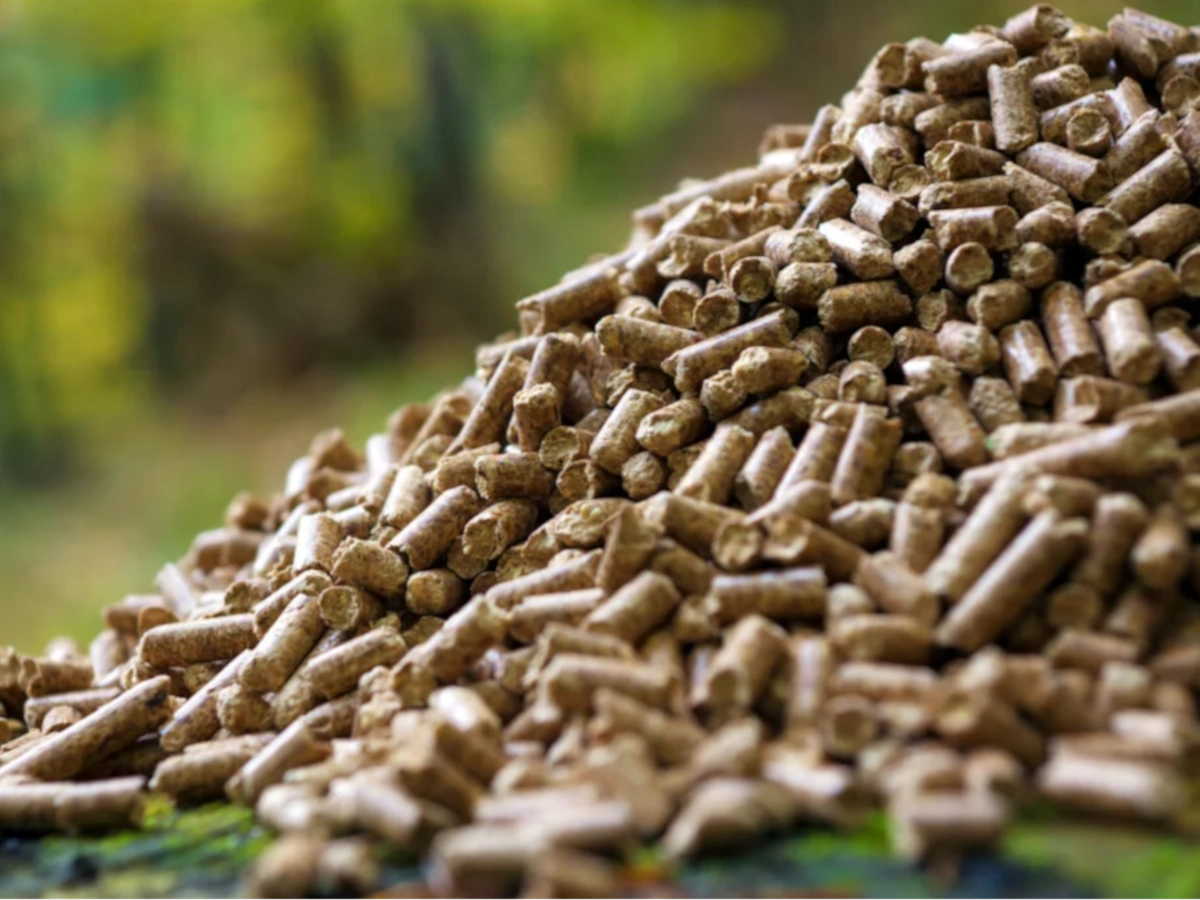
What should I look for when buying pellets?
At first glance, one bag of pellets may look much the same as another, but their quality and performance can vary considerably. There are some things you should look out for when buying pellets:
- Always use a reputable supplier
- Ensure the pellets are dry and intact
- Check for the ENplus A1 certification mark
For most domestic pellet burners, ENplus A1 certified pellets are a good starting point. They provide a consistent fuel quality and help ensure that your appliance operates as intended.
Even within the ENplus A1 specification there is some variation allowed, so it is perfectly normal to find that one good-quality pellet brand performs better in your particular appliance than another. During your first season, you may find it useful to try different brands and compare them.
What is the difference between softwood and hardwood pellets?
Softwood and hardwood pellets are made from different types of trees, but the distinction does not necessarily indicate which produces the better heating fuel. Softwood comes from coniferous trees such as pine, spruce and fir. Hardwood comes from broad-leaved trees such as lemon, oak, olive and almond.
There is a common belief that hardwood pellets are always better because hardwood is generally denser than softwood. However, this does not automatically translate into better pellet performance.
Good-quality softwood pellets have excellent heating characteristics, while poorly manufactured hardwood pellets may perform less well. Factors such as moisture content, density, ash content and mechanical durability are generally more important than whether the original wood was softwood or hardwood.
Can I tell what type of wood was used to make my pellets?
Not reliably. Pellet colour can vary depending on the wood species, the amount of bark present and the manufacturing process.
Lighter pellets are sometimes associated with softwood, while darker pellets may contain hardwood or a higher proportion of bark. However, colour alone is not a reliable way of identifying the original wood.
Manufacturers may use a mixture of different wood species to produce their pellets, depending on the availability of raw materials. In fact quite often they mix different types in the same production batch.
Is treated wood used for making pellets?
Wood pellets intended for domestic heating should be made from suitable, untreated wood. Painted, varnished, glued, pressure-treated or chemically preserved timber is not suitable for ordinary domestic wood pellet production.
These materials can contain substances which release harmful emissions when burned and may also cause unwanted deposits within the appliance.
ENplus certification specifically excludes chemically treated wood and demolition timber from its permitted raw materials.
How are wood pellets packaged?
Wood pellets are available in several different packaging formats, depending on how they are distributed and used.
Individual bags
The most common format for domestic pellet burners is the 15kg bag. These are usually supplied individually or in small quantities, making them relatively easy to transport and store.
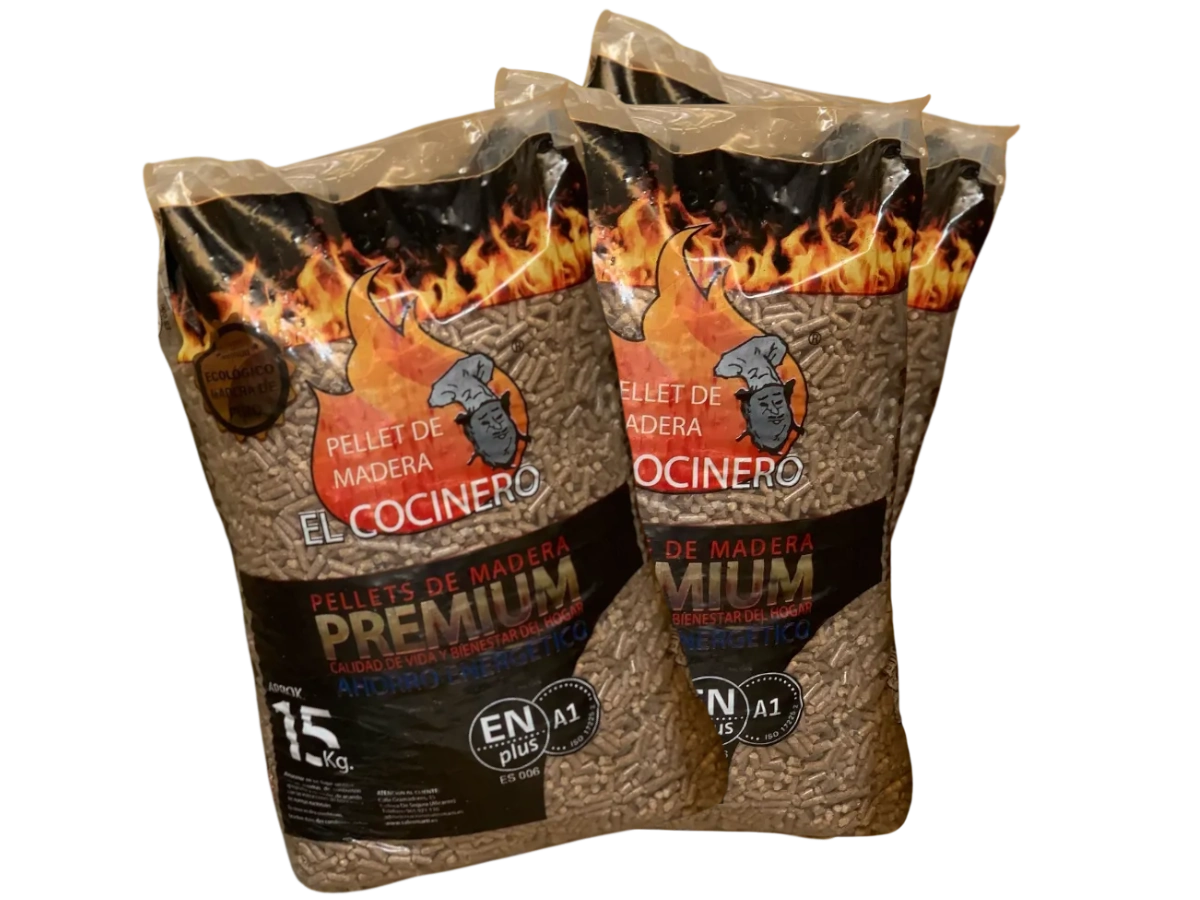
Pallets
For domestic customers with higher fuel requirements, 15kg bags can be supplied on pallets with a maximum of 60-70 bags per pallet.
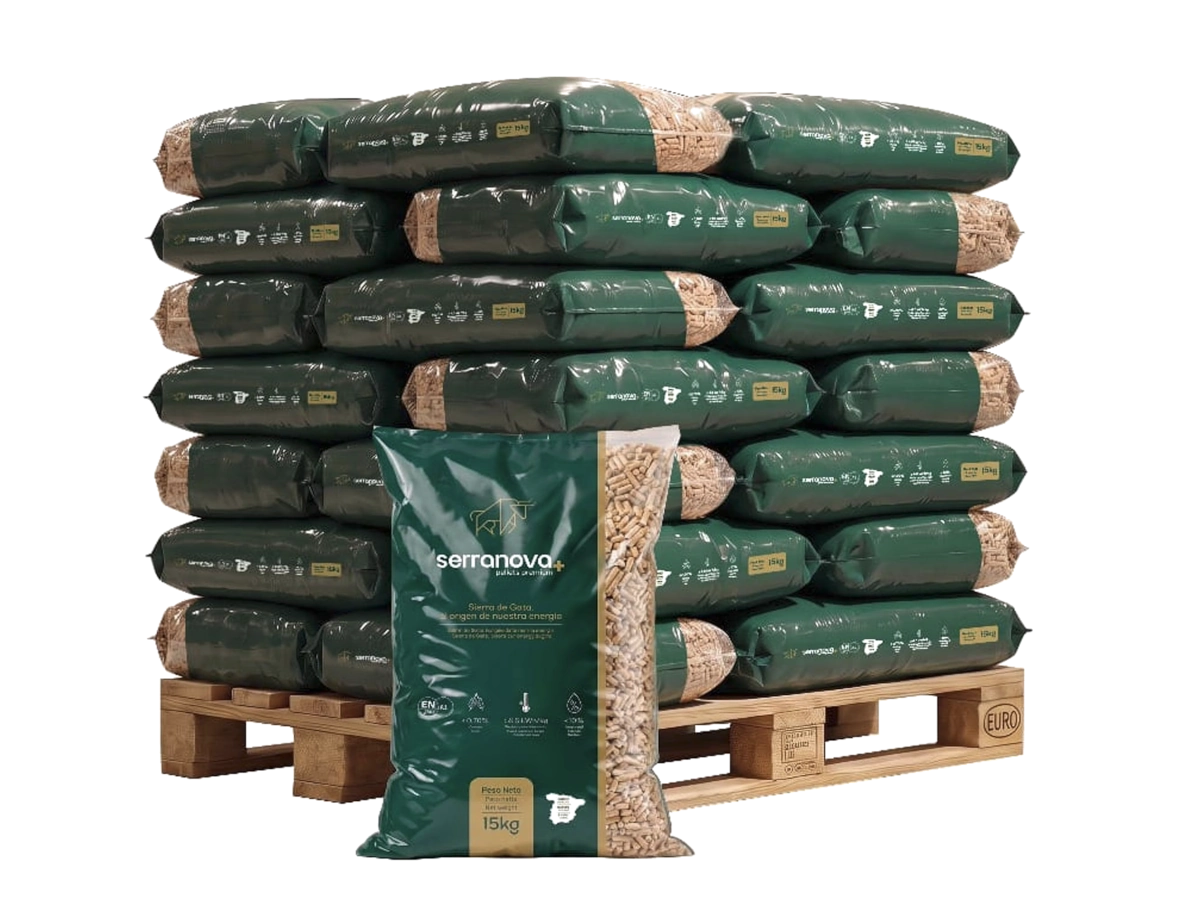
Big bags
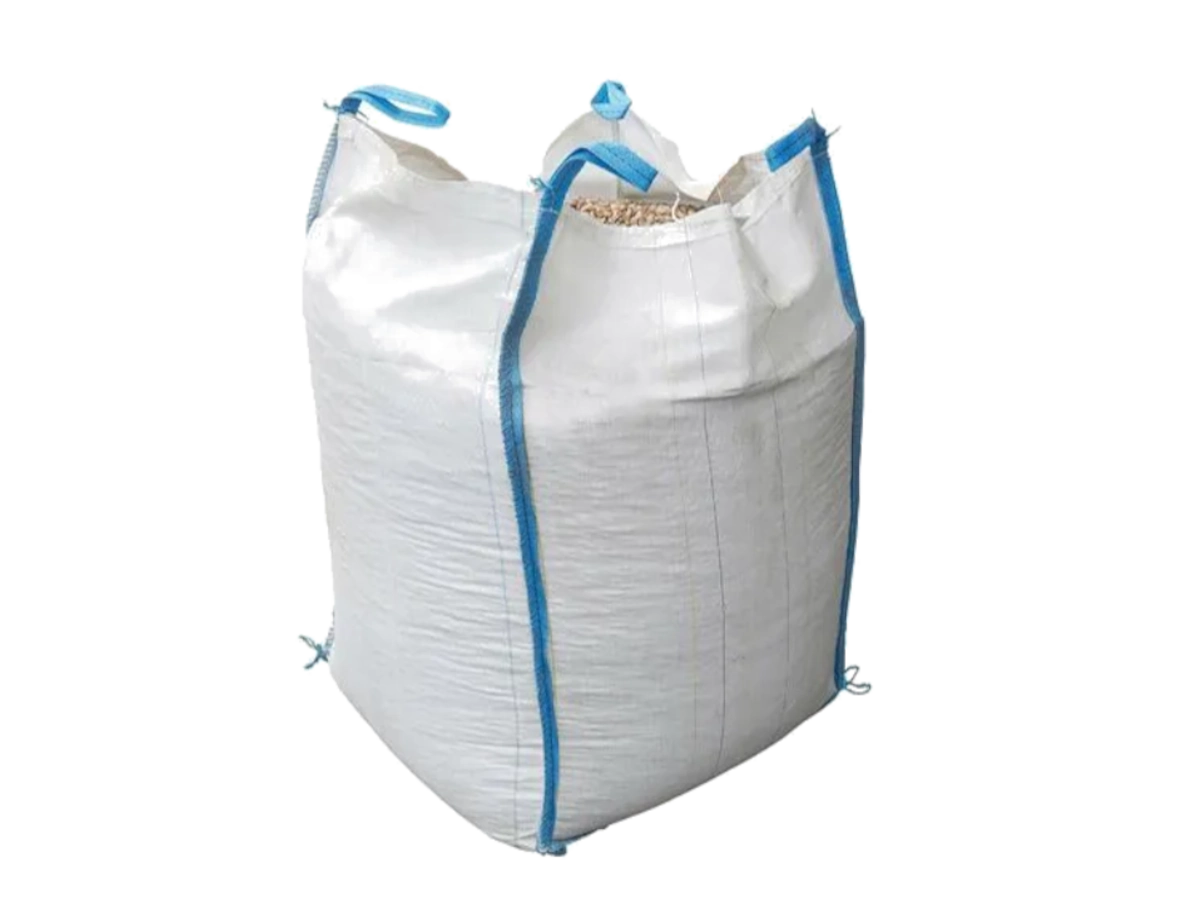
Larger quantities are often supplied in bulk bags, typically holding around 500kg to 1,000kg.
Bulk delivery
For larger heating installations, pellets can be delivered loose by specialist vehicles and blown directly into a dedicated storage hopper or silo.
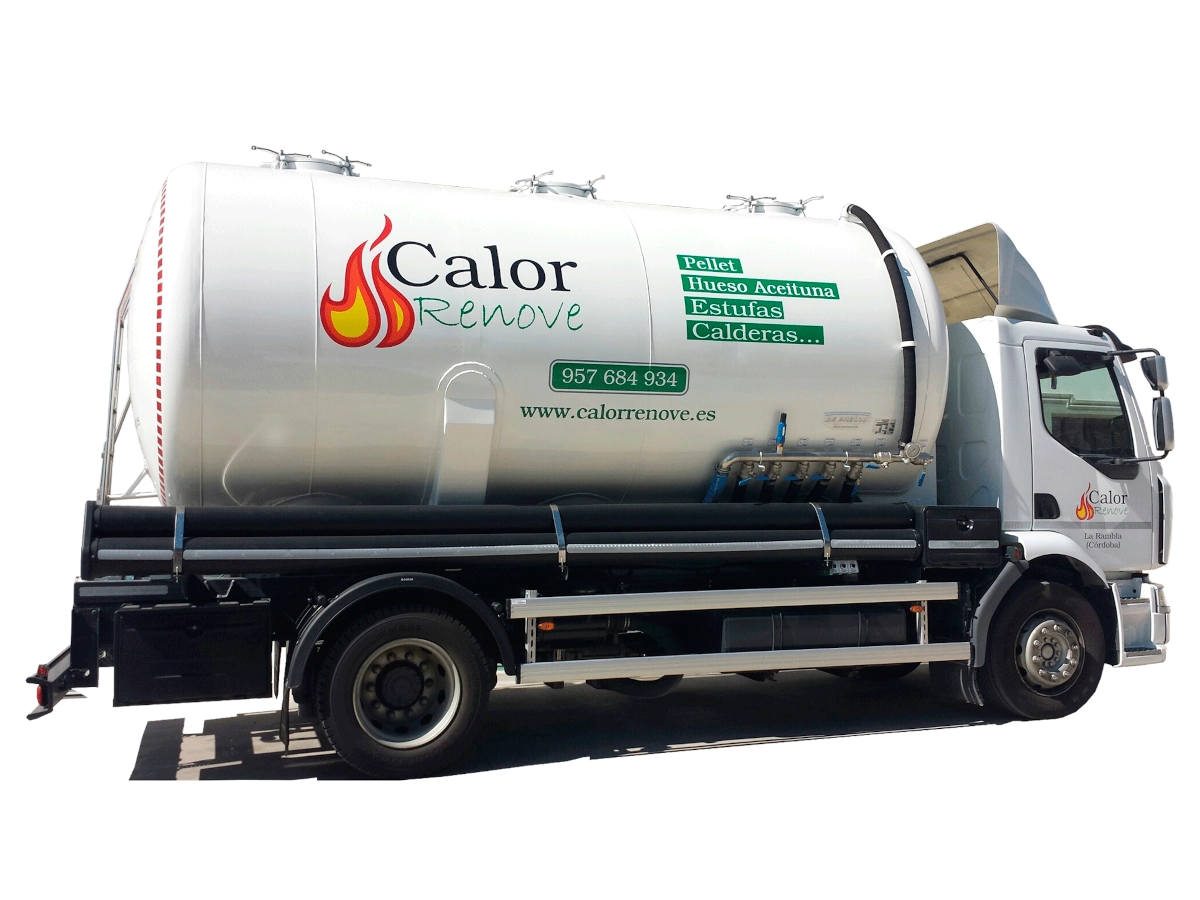
Regardless of the packaging, wood pellets must be kept dry. Exposure to moisture can cause them to swell, break apart and render them unusable as a heating fuel.
Where can I buy wood pellets?
Wood pellets are widely available throughout Spain, particularly in areas like Alicante and Murcia where pellet heating is popular. They can be purchased from:
- Specialist biomass and heating fuel suppliers.
- Builders' merchants and DIY stores.
- Agricultural supply outlets and garden centres.
- Online retailers and specialist heating shops.
Whenever you buy pellets for a domestic pellet burner, always look for ENplus A1 certification. This provides independent verification and gives you the confidence that the pellets meet a recognised quality standard.
Always check the appliance manufacturer's recommendations regarding the type and quality of fuel required.
Where do wood pellets come from?
Now you know what makes one type of pellet different from another, you may be interested in how wood pellets are made. Read our article "What Are Wood Pellets Made From?" for more information.
What to do next
Do you need more advice about pellets or using your pellet burner? Contact us today. You can also pop into our showroom in Ciudad Quesada for a chat and see the stoves in action.