
What Are Wood Pellets Made From?
Quick Answer: Wood pellets are a popular heating fuel, used in domestic pellet burners, stoves and biomass boilers. They are manufactured from compressed wood, usually in the form of sawdust, wood shavings and other residues from the timber industry.
But what exactly goes into a wood pellet? Where does the wood come from, how are pellets manufactured, and are they really made from 100% wood? Let's take a closer look.
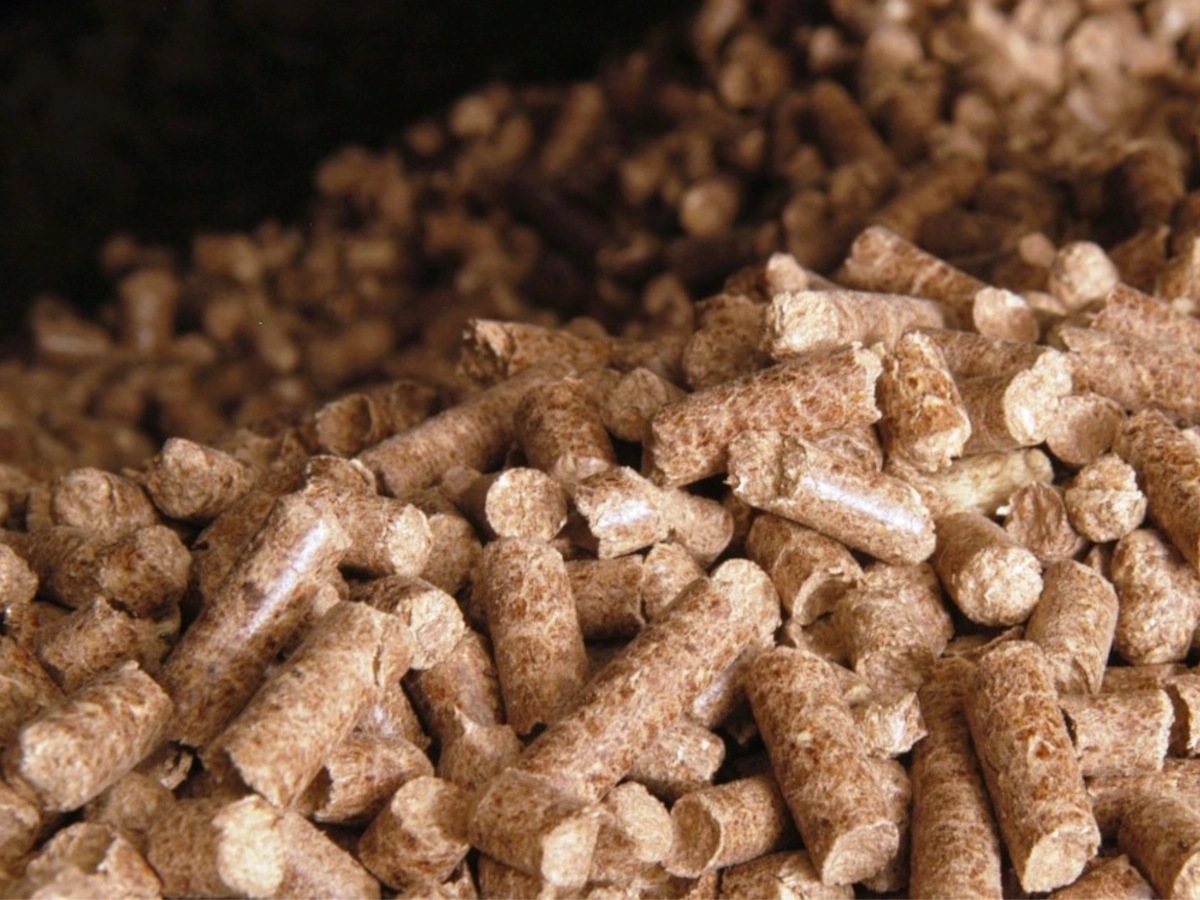
What are wood pellets made from?
Wood pellets are made from finely ground wood which is compressed under high pressure to form small, dense cylindrical pellets.
The raw material generally comes from the timber and woodworking industries. It is processed and compressed into pellets, typically around 6mm in diameter, although other sizes are available.
Where does pellet wood come from?
When trees are converted into construction timber, furniture and other wood products, a considerable amount of material is left over. Sawdust, wood shavings and offcuts can all be used in pellet production.
Sources include:
- Forestry operations and timber harvesting.
- Sawmills and woodworking factories.
- Wood processing and manufacturing industries.
- Purpose-grown timber from managed plantations.
How are wood pellets made?
The manufacturing process involves several stages to turn loose wood material into a consistent heating fuel.
- Preparation: The raw wood material is collected and cleaned to remove unwanted materials such as stones, metal and other contaminants.
- Drying: The wood is dried to reduce its moisture content. This is important because excess moisture reduces the heating value of the finished pellets and can affect the manufacturing process.
- Grinding: The material is processed to reduce it to a fine, relatively uniform consistency.
- Compression: The prepared wood is fed into a pellet press, where it is forced through small holes in a metal die under considerable pressure. The heat and pressure soften the natural lignin within the wood, which acts as a binding agent and holds the material together.
- Cooling and screening: The newly formed pellets are hot and relatively soft. They are cooled to allow them to harden before being screened to remove loose dust and broken pieces.
- Packaging: The finished pellets are weighed and packaged, ready for distribution to retailers and consumers.
Are wood pellets 100% wood?
Wood pellets are predominantly made from wood, but this depends on the manufacturer and the quality standard being followed.
Wood contains a natural substance called lignin, which acts as a binder when the material is compressed during manufacturing. This means that additional adhesives are generally unnecessary.
Are there any additives or adhesives in wood pellets?
Most wood pellets can be manufactured without adding conventional glues or adhesives.
Some manufacturers use small quantities of natural additives, such as starch or vegetable-based binders, to improve the strength and durability of their pellets.
For consumers, the important consideration is that any additives should comply with the relevant fuel quality standards. This is why we recommend using only ENplus-certified pellets. Check out our article "Why should I use ENplus A1 Pellets?" for more details.
Are wood pellets sustainable?
Wood pellets can form part of a sustainable energy system, particularly when the raw material comes from responsibly managed forests and residues from the timber industry.
Using sawdust and wood shavings from existing timber production makes productive use of material which would otherwise be wasted or used for other purposes.
However, sustainability depends on where the wood comes from, how it is harvested and processed, and how forests are managed and replenished.
Not all wood pellets have the same environmental credentials, so it is worth looking at the manufacturer's sourcing information and any relevant certification.
What type of wood pellets are best?
Now you know what wood pellets are made from and how they are manufactured, you may be wondering what makes one type of pellet better than another. Read our guide "How Do I Choose the Right Wood Pellets?" for more information.
What to do next
Do you need more advice about pellets or using your pellet burner? Contact us today. You can also pop into our showroom in Ciudad Quesada for a chat and see the stoves in action.