
What is Creosote and How to Prevent It?
Quick Answer: Creosote is the black, tarry substance with a horrible smell that builds up in your log burner as a consequence of smoke and moisture condensing and combining, before they have exited the chimney or flue.
It is usually caused by using poor-quality or damp wood, insufficient airflow, poor maintenance or a combination of all three.
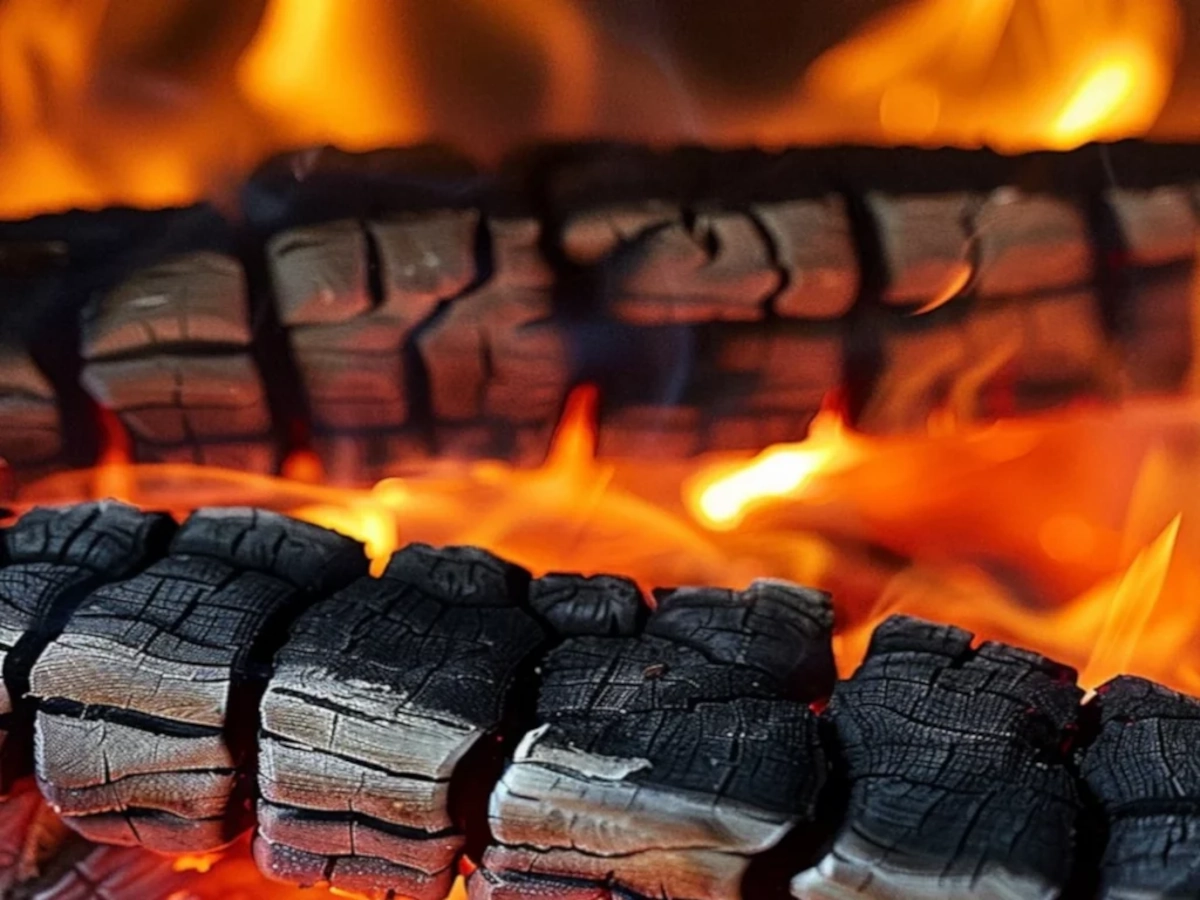
Creosote build-up in a log burner is a problem
Burning wood, no matter how you do it, releases pollutants and moisture, mainly in the form of gases and particulate matter. There is no avoiding it, but how you control it within your wood burning appliance can vary greatly – not only in the type of stove you choose, but also in how you operate it.
What is creosote, how do I prevent it?
And why does my log burner smell so bad?
Creosote is the black, sticky substance that creates a foul smell and coats the insides of everything it passes through if no precautions are taken. It is formed when the smoke gases given off in the burning process condense and combine with soot on their way out of the chimney. It is corrosive and extremely combustible and can even cause chimney fires.
You may not notice creosote build-up at first, but it tends to feed on itself. As it builds up, it restricts the flow in the chimney or flue pipes.
The build-up slows down the smoke gases even more. This allows more time for the smoke to cool and condense, therefore causing more creosote to deposit itself, and further restrict the flow.
My wood stove creates creosote!
A correctly installed modern wood burning stove does not create creosote. It is caused by you not using the stove correctly, and especially when you burn damp un-seasoned firewood. There are things you can do to prevent it.
Always use clean, dry wood
All firewood contains water to some extent. The water content of the wood you burn is critical to the burning process and the amount of creosote produced. The lower the moisture content, the better and hotter your stove will burn. Our article Why does Properly Dried Wood matter? has more details.
Keeping logs undercover for a year before use will drive off the excess moisture, allowing your stove to produce the most heat, minimising the amount of creosote produced.
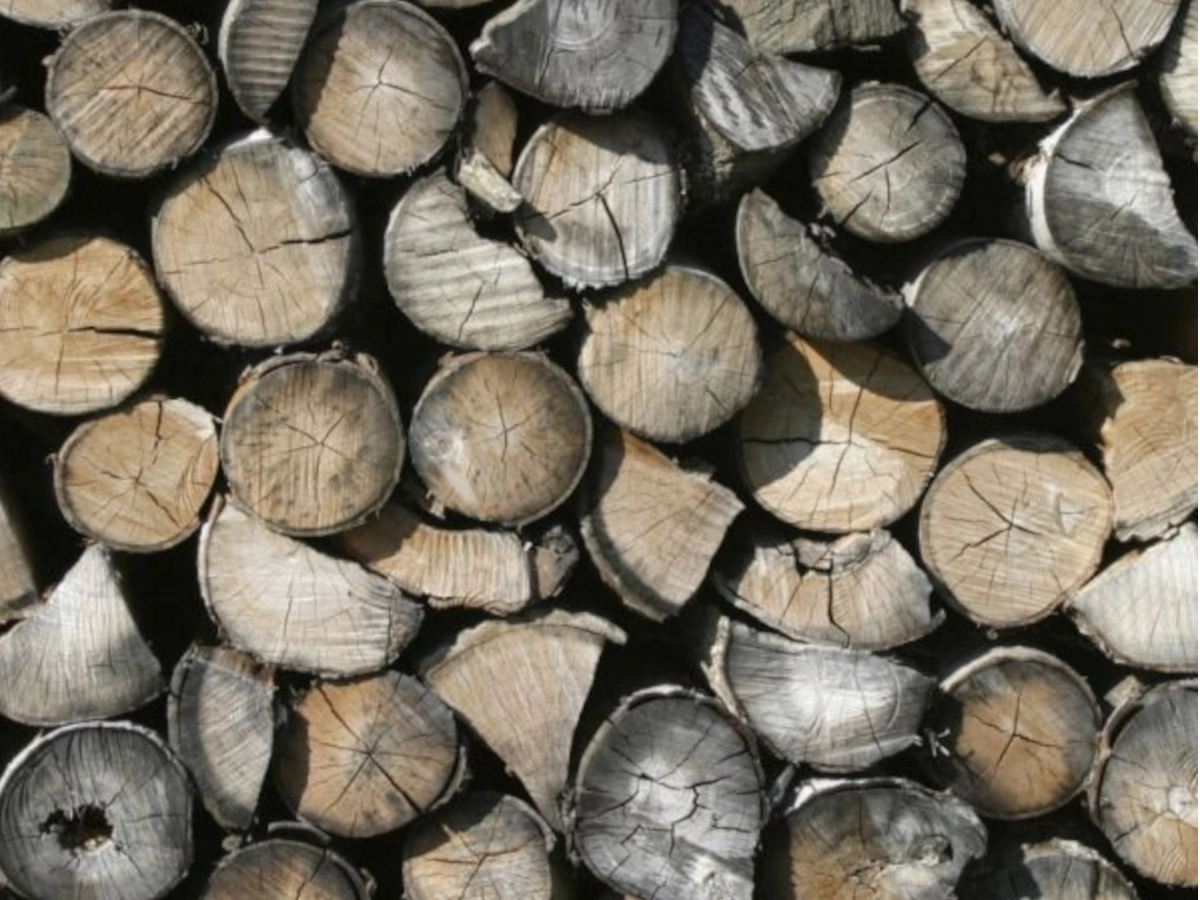
What wood should I use?
Hardwoods such as olive, almond, orange and lemon burn the hottest and last the longest. Softwoods such as pine are less dense so are faster burning, give off less heat and produce the most smoke therefore more creosote. Softwoods (wood pallets, offcuts etc.) are great for kindling but should not be used as a main fuel.
To prevent creosote, avoid burning fibre board, treated wood, stained wood, painted or wet firewood.
What is a stove pipe thermometer?
Always burn a stove at the correct temperature. Never pack it full of firewood and restrict the airflow to produce a long, slow burn.
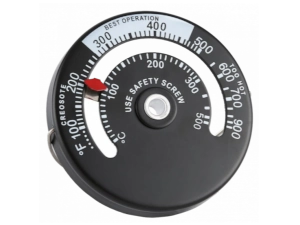
To burn a stove properly, a stove pipe thermometer is essential. The most common type is a magnetic clamp-on that is attached to the stove pipe above the stove. They are slower to react and not as accurate as probe types but they will tell you all you need to know to ensure the stove is operating at the correct temperature.
Do not allow the wood to smoulder. Operate the stove at the correct temperature otherwise creosote will build up. You do not want to overburn neither, sending all the heat up the flue.
What to do next
If you need further assistance with your wood burning stove, please get in touch with our showroom staff.