
What Types of Wood Can I Burn in My Wood Burner?
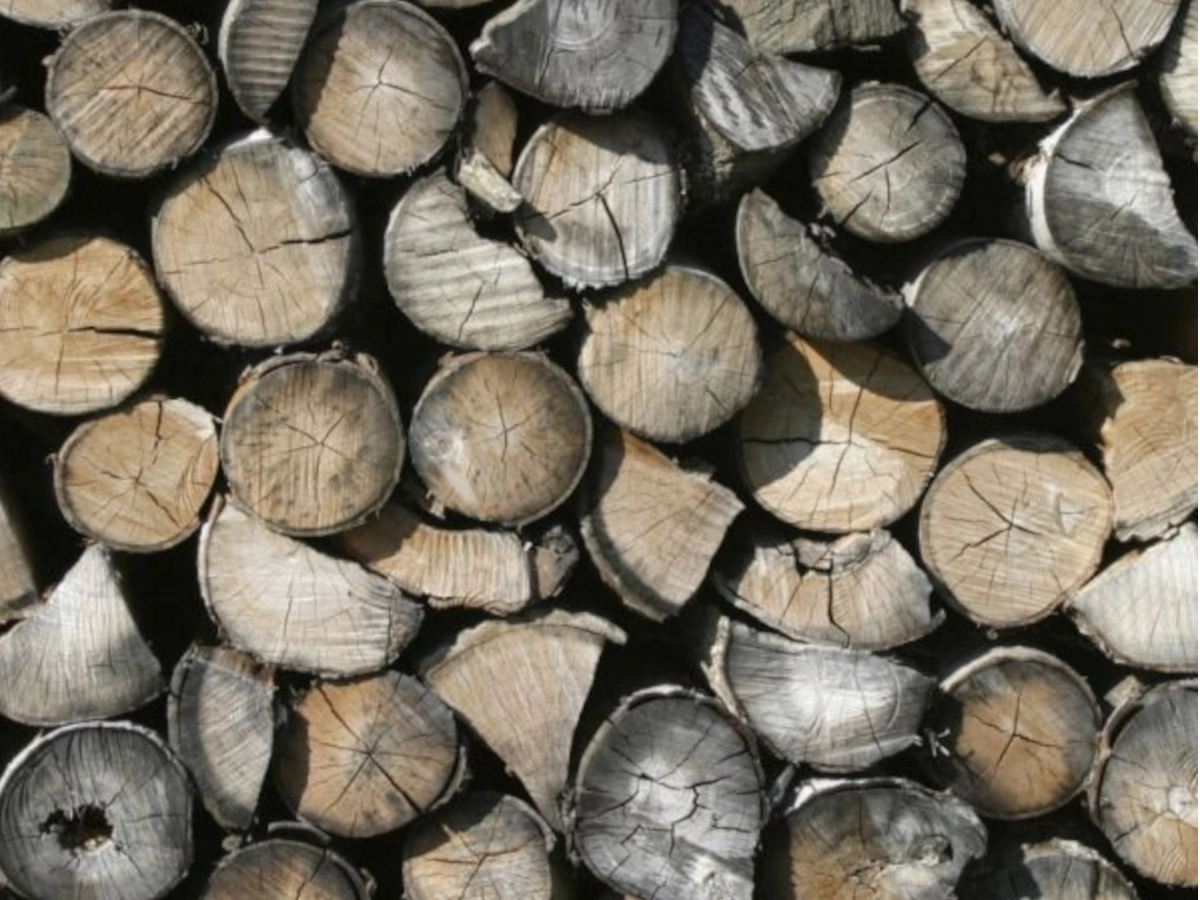
Quick Answer: Seasoned firewood means wood that has been properly dried before burning. The best wood to burn is any well-seasoned, dry hardwood. Ideally that means firewood should be dried for at least 12 months, with a moisture content below 20%.
Burning green (freshly cut) wood leads to smoky fires, poor heat output, and tar buildup (creosote) in your chimney.
 f
Why burn wood?
Wood is a renewable, local, and sustainable source of energy, especially when sourced and burned properly. A well-seasoned hardwood log in a good-quality wood burner gives off excellent heat and creates a cosy, relaxing atmosphere. Using the right kind of dry firewood makes all the difference for your warmth, your stove, and the environment.
What are the best local wood types for burning in my area
Southern Spain has some fantastic native hardwoods that are perfect for burning:
- Olive wood (Olivo): A dense, slow-burning hardwood with high heat output. It burns cleanly and smells great, but it can be quite smoky if not properly seasoned.
- Almond wood (Almendro): Burns hot and long, producing lovely coals. It’s ideal for keeping your stove going through the night.
- Orange/Lemon wood (Naranjo/Limón): Burns well with a pleasant scent and a lively flame. It’s often used in BBQs too, thanks to its lovely aroma.
- Holm oak (Encina): One of the best firewoods available. Very dense and heavy, it gives off strong, long-lasting heat and minimal smoke.
Most people use a mix of firewoods depending on availability. Hardwoods like olive and oak are ideal for long burns, while orange and almond can help get the fire going or add warmth quickly.
What to Avoid!
- Pine or resinous woods: These can create excess creosote in your chimney and burn too quickly
- Painted or treated wood: Releases toxic fumes.
- Wet or green logs: Poor heat and smoky fires.
- Household waste or rubbish: It is unsafe and illegal to burn these in your stove.
- Pallet wood: Do not use broken up pallets as your main fuel.
Seasoned vs Green Wood
Always Burn Seasoned Firewood. That means wood that’s been dried for at least 12 months, with a moisture content below 20%. Burning green firewood which has been freshly cut leads to smoky fires, poor heat output, and tar buildup in your chimney.
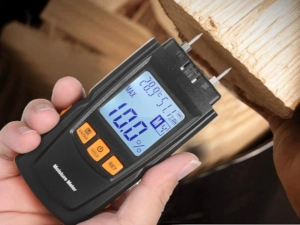
A simple moisture meter can help you check how dry your logs before burning. It’s a small investment that can make a big difference. Firewood should have at most a moisture content of 15%. If you can get this down to less than 10%, even better.
Always use clean, dry wood
All firewood contains water to some extent. The water content of the wood you burn is critical to the burning process and the amount of creosote produced. The lower the moisture content, the better and hotter your stove will burn. Our article Why does Properly Dried Wood matter? has more details. Keeping firewood undercover for a year before use will drive off the excess moisture.
What to do next
If you need further assistance with your wood burning stove, please get in touch with our showroom staff.