
Why Does Properly Dried Wood Matter?
Quick Answer: The importance of using properly dried wood in a wood-burning stove can not be stressed enough. Using the right type of firewood in your wood stove is crucial for efficiency, safety, and it’s impact on the environment.
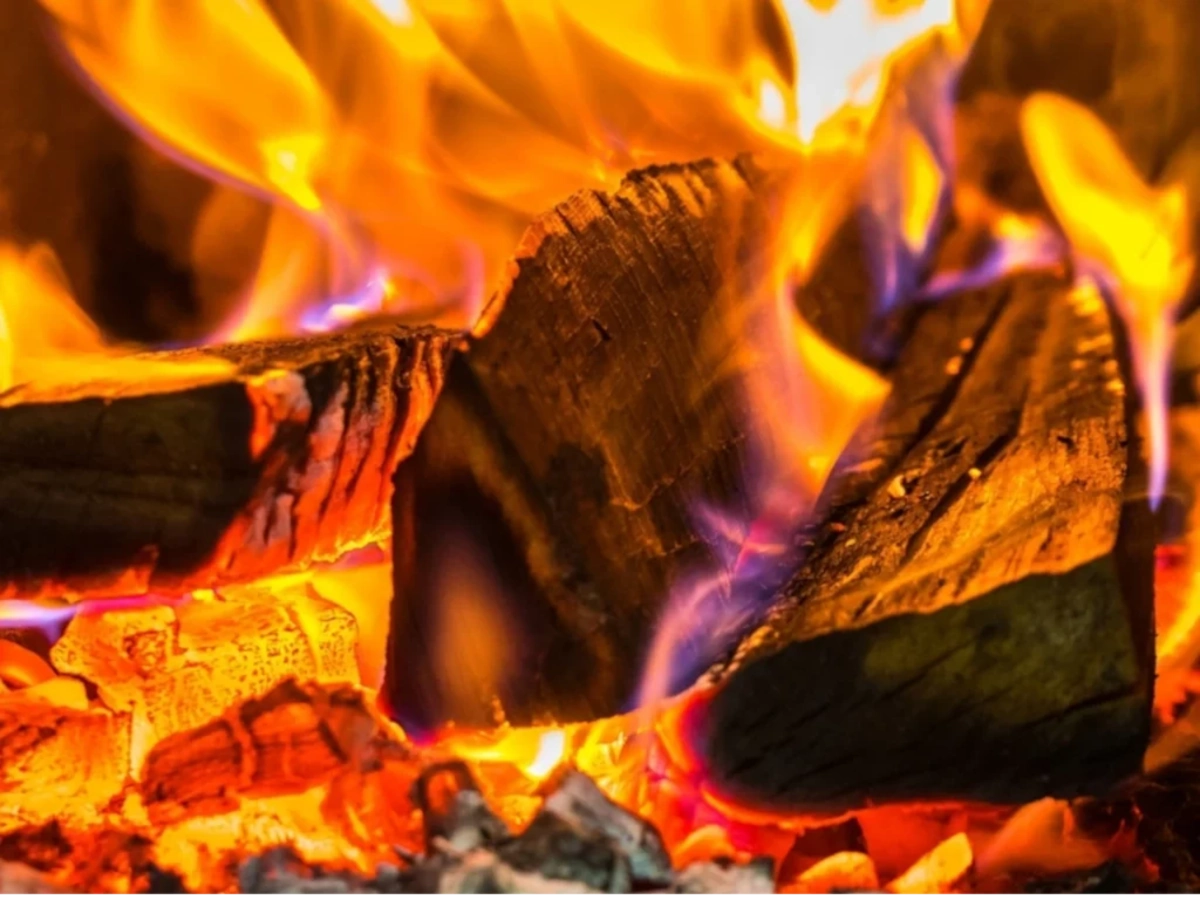
Burning wet or un-seasoned firewood can lead to excessive smoke, creosote build-up in your chimney, and lower heat output, making your stove less effective and more hazardous.
Benefits of properly dried wood
Properly seasoned firewood means higher efficiency
Dry wood burns hotter and produces more heat than wet wood. Wet wood contains excess moisture that must be evaporated before the wood can combust, wasting energy and reducing the stove’s effectiveness.
Reduced creosote build-up
When wet firewood burns, it creates more smoke and creosote, a flammable residue that accumulates in the chimney. Excess creosote is difficult and costly to clean and increases the risk of chimney fires.
Dry firewood means less Smoke and pollution
Properly dried wood burns more cleanly, emitting less smoke and fewer pollutants. This means improved indoor and outdoor air quality, benefiting both the environment and your health.
Easier ignition
Properly dried firewood lights faster and burns more consistently, making it easier to start and maintain a fire. Wet firewood can be difficult to ignite and often results in a smoldering fire that produces little heat.
How to ensure firewood is properly dried
Freshly cut wood may contain 45% water, whereas wood that has been well seasoned will hold less than 20% water. Well-seasoned firewood means the wood has been cut and stored correctly to reduce the water content. By cutting and splitting logs, a larger surface area of the wood is exposed, increasing the evaporation of water during storage.
Use a moisture meter
A moisture meter can help determine if wood is ready to burn. Firewood should have at most a moisture content of 15%. If you can get this down to less than 10%, even better.
Season your wood
Cut and split firewood at least 6–12 months before use, preferably up to two years. Store it in a dry, well-ventilated area, preferably with a cover to protect it from rain and snow.
Recognising well-seasoned wood
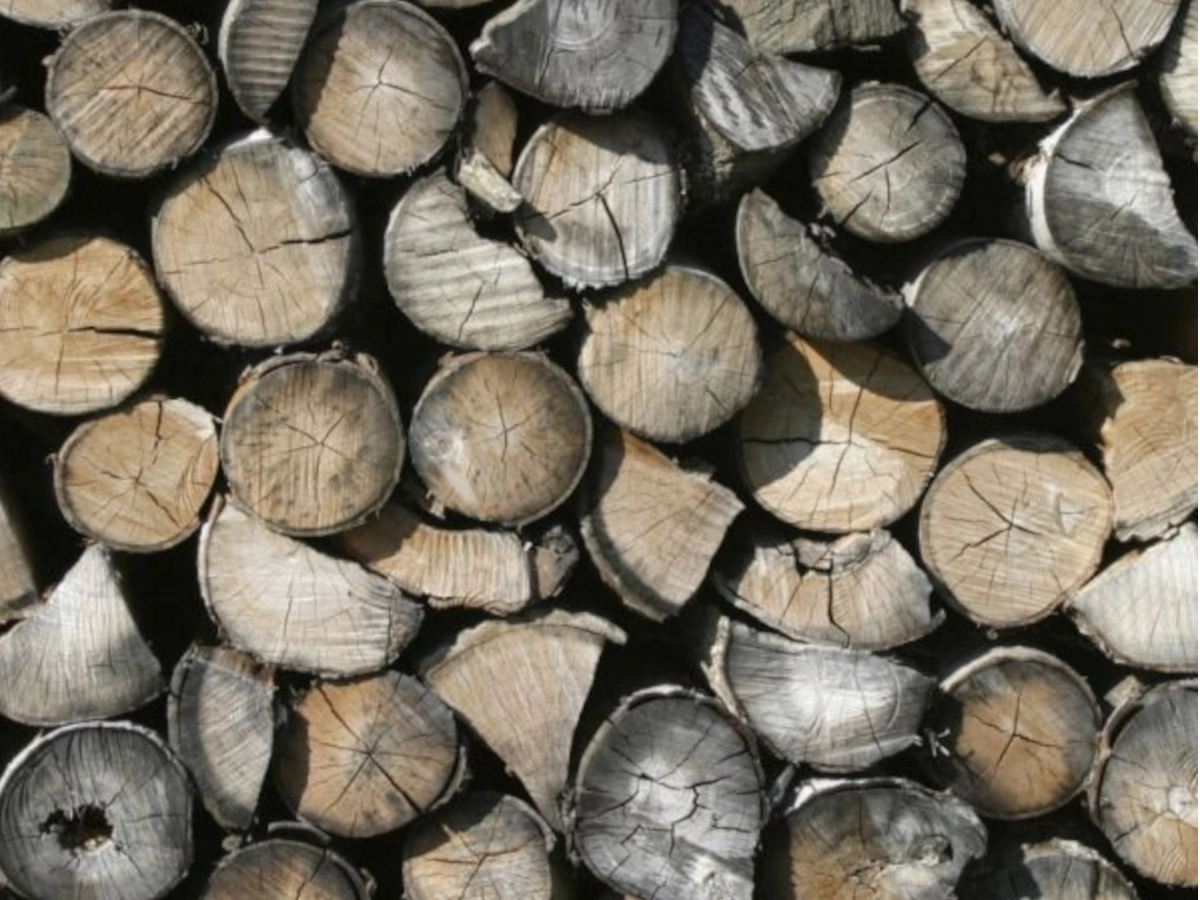
Properly dried wood is lighter in weight, has cracks in the ends, and sounds hollow when knocked together.
Things to Avoid!
Do not burn freshly cut, green wood. It will cause you problems.
What to do next
To find out more about using your wood burner and why using the right type of wood is so important, pop into the showroom for a chat, or contact us directly today.